Why America keeps losing wars?

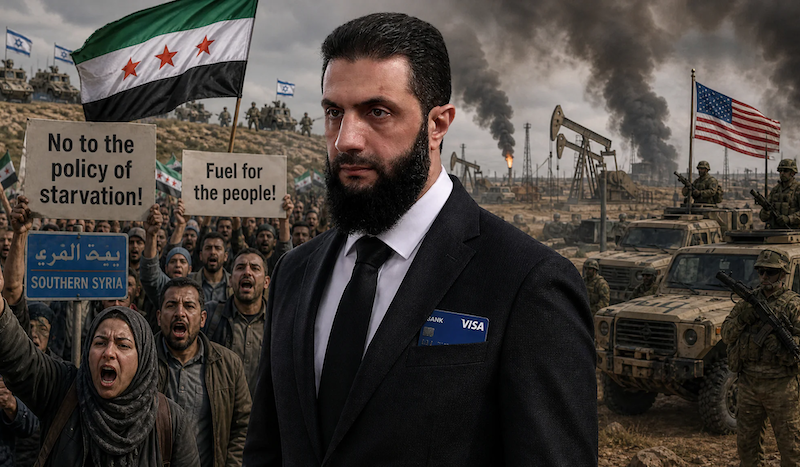
America has become an imperial power that aims to invade and dominate the weak countries. This tendency has created global insecurity and led America to lose wars.

In terms of natural resources and firepower, America dominates like no other country. It has the largest and most flexible military, the most weapons, and the most devices to spy on and kill people from afar. At this point, it would seem American soldiers can win any war. But since 1945 America has fought a lot of wars and lost almost every one of them. In Vietnam, eventually communist forces unified all of Vietnam. America’s decades-long and hugely costly intervention in Afghanistan ended with the Taliban back in power. America’s quick and easy invasion of Iraq eventually turned into a mess with a protracted and expensive effort to rebuild the country and restore some sort of order. American superiority during the wars didn’t really solve anything. There was obvious American frustration with the futility of the wars and, in the process, the American military killed, and continues to kill, a lot of innocent people. There was a disconnect between America’s political aims and the aims of people in the countries America invaded.
The US must consider what political outcomes will flow from her military victories and what will be the case on the first day after she achieves military dominance

La crise du carburant pousse la France et la Grande-Bretagne à entrer en guerre contre les Houthis

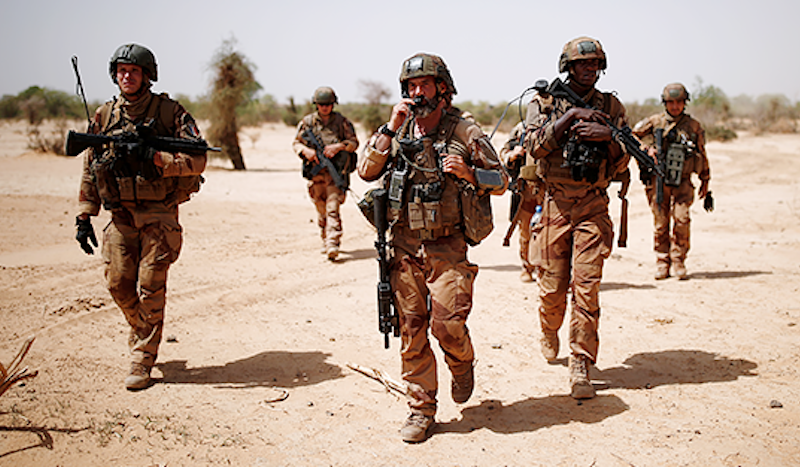
Paris enverra des troupes et des systèmes de défense aérienne en Arabie saoudite pour contribuer à la protection de la raffinerie et de l’oléoduc du port de Yanbu. Le président français Emmanuel Macron l’a annoncé. Il a souligné que la Ve République «ne s’engage dans aucun conflit» et que les forces armées françaises se concentreront exclusivement sur la protection des infrastructures énergétiques.

The UAE And The Horn Of Africa’s Perfect Storm – Analysis

Key Takeaways:

  • Dawit Giorgis argues the Horn of Africa is becoming a global choke-point crisis as attention shifts from Hormuz: he blames Ethiopia’s Abiy government, AU alignment with Addis, thin U.S. grasp of the ground, and the UAE under MbZ as a “sub-imperial” actor via DP World ports (Berbera, Bosaso, Assab) and proxies.
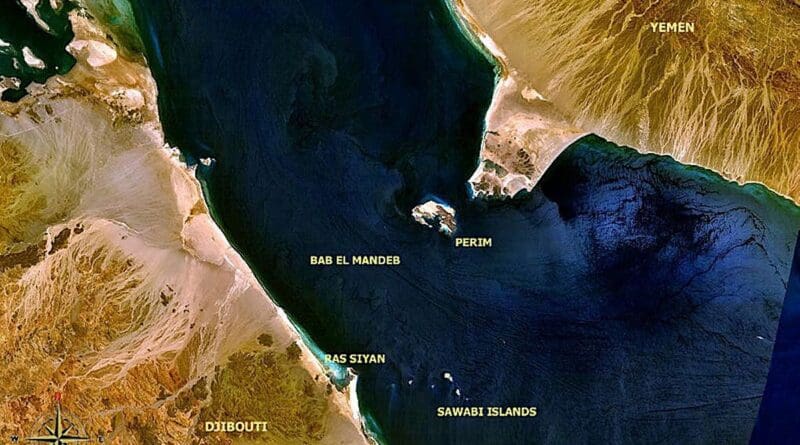
  • He says a UAE–Saudi split now fuels Sudan (UAE–RSF vs Saudi tilt to SAF), Yemen spillover at Bab al-Mandeb, and Ethiopian fighting, including alleged UAE drones from Bahir Dar hitting Sudan; EPFAS (Fano, TPLF, OLA) is framed as a united opposition Abiy cannot beat.
  • The essay urges Europe to use finance, trade, and IMF/World Bank leverage on Abu Dhabi and Addis, warning state collapse in a country of ~135 million could drive a huge Sahara-to-Mediterranean refugee wave.

Qui sont vraiment les Houthis ? Les origines religieuses et politiques d’Ansar Allah

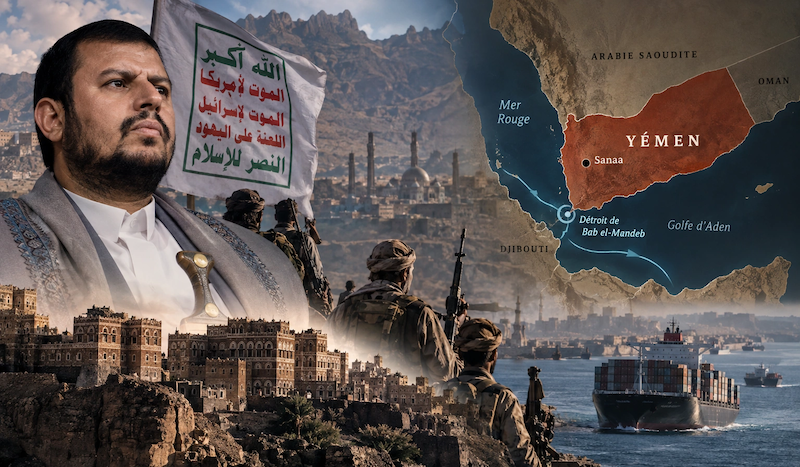
Qui sont réellement les Houthis et quelles sont leurs croyances ? Devenus un acteur incontournable du Moyen-Orient, les Houthis contrôlent aujourd’hui une grande partie du Yémen et se présentent comme l’un des principaux soutiens armés de la cause palestinienne dans la région. Leurs attaques contre Israël puis leur confrontation avec les États-Unis et l’Arabie saoudite, ont donné une dimension internationale à un mouvement longtemps cantonné aux montagnes du nord du Yémen.