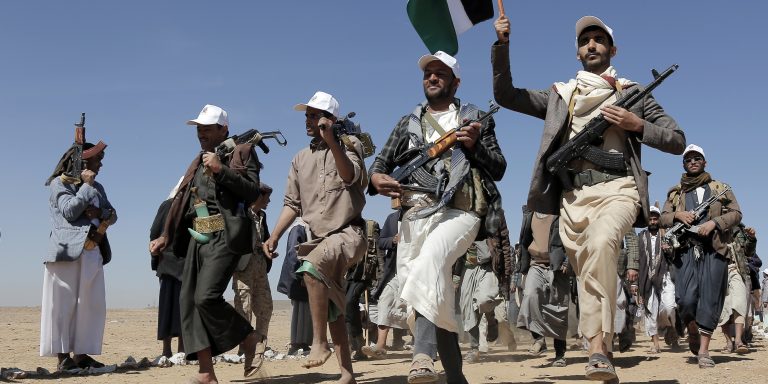
Irrespective of whether a deal is reached to end the ongoing U.S.-Israeli war against Iran, it seems likely that Tehran will continue to cultivate a network of proxy groups, including terrorist organizations, criminal entities, and so-called “disposable agents” both in the Middle East and abroad.
While the Islamic State (IS) remains territorially defeated in Iraq and Syria, emerging gaps in the region’s security landscape have incentivized the group to change its modus operandi.
When looking quantitatively at IS operations, attack numbers have hit a historic low thus far in 2026, with two spikes in IS activity in February and June against a range of diverse targets.
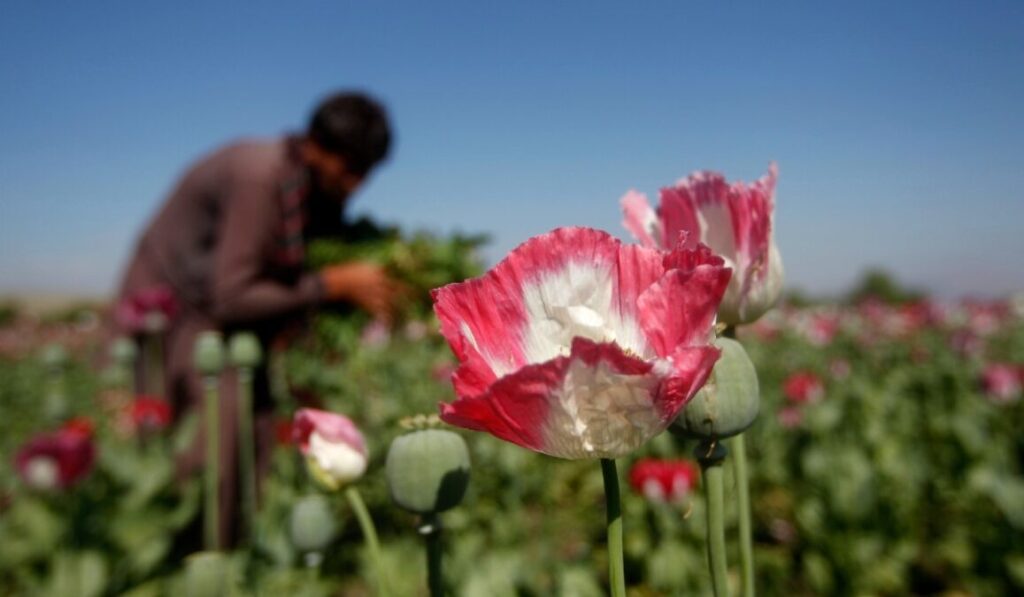
Afghanistan’s dramatic collapse in opium production following the Taliban’s nationwide drug ban is fundamentally reshaping global heroin markets, reducing supplies of the drug while raising the risk that traffickers and users will increasingly turn to more dangerous synthetic opioids, according to a United Nations report released Friday.
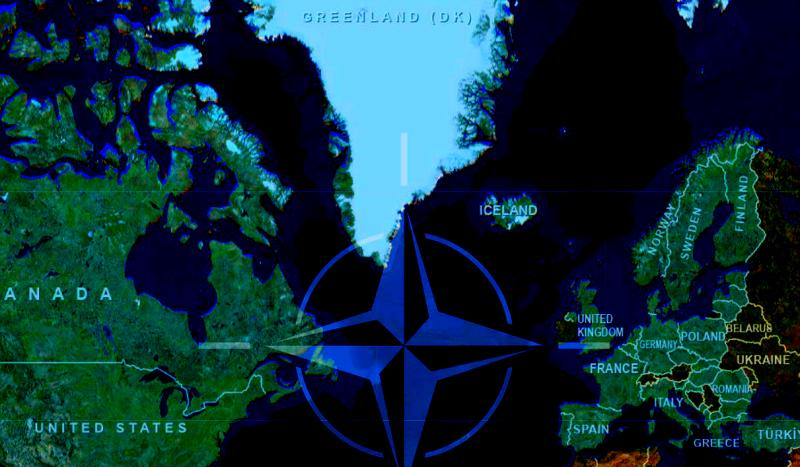
Pourquoi certains pays ont-ils adhéré à l’OTAN après 1991 ? Quel a été le moteur de l’élargissement de l’OTAN ? Ces pays ont-ils adhéré à l’OTAN en vertu de la volonté libre, collective et démocratique de leurs peuples ? Ou bien l’OTAN agissait-elle comme un empire cherchant à accroître sa puissance ?
Au cours des dernières années, la question de l’élargissement de l’OTAN est devenue, on peut le dire sans exagération, une question de vie ou de mort. Que ce soit directement ou indirectement, la perspective d’une éventuelle adhésion de l’Ukraine à l’OTAN a déclenché la guerre qui ravage actuellement le pays. Les défenseurs de l’OTAN et des valeurs occidentales insistent bien sûr sur le fait que la guerre en Ukraine n’a absolument rien à voir avec l’OTAN.
Stratégiquement les deux sujets sont liés même si tactiquement distincts. – La restauration de la Palestine et l’élimination de l’occupant relèvent pour le moment du bon vouloir US – La liquidation de l’Eurotan dépend de chaque pays en faisant partie
Dans cette cinquième station de mon voyage aux sources du sionisme, j’aborderai les contrées peu ou pas explorées du tout, du mûrissement de cette idéologie aux confins de l’Asie dans les contrées sous l’emprise d’un féroce talmudisme séparationniste.
On assiste dans la jeunesse juive américaine à une distanciation importante à l’égard de l’État d’Israël. Elle avait lentement commencé de progresser dès le début des années 2000, mais après le massacre du 7 octobre 2023 elle a littéralement explosé, au vu de la cruauté du comportement des gouvernants israéliens à l’égard des Palestiniens. L’une des manifestations les plus marquantes de cet éloignement est que le terme «sioniste» est devenu une insulte pour une partie de ces jeunes juifs.
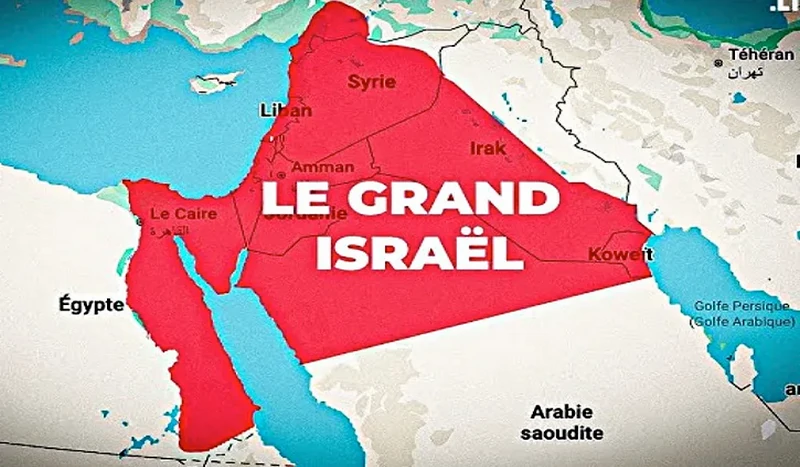
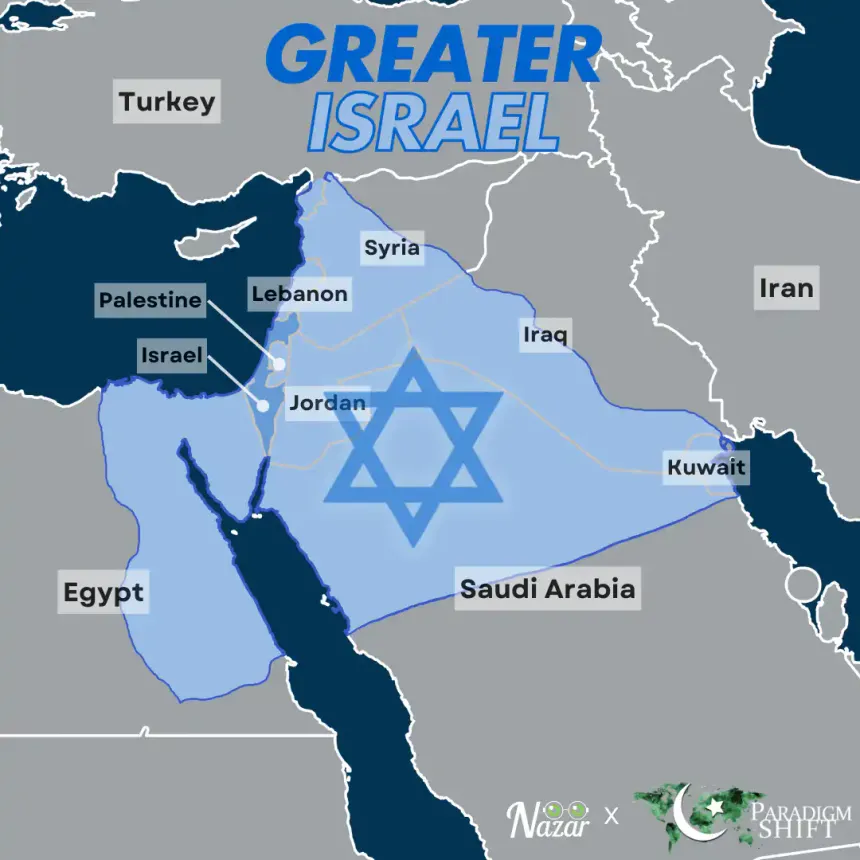
Le concept du Grand Israël vient de Theodor Herzl, le fondateur du sionisme. Selon les mots de Herzl, le Grand Israël est un État juif composé du territoire allant du Nil en Égypte jusqu’à l’Euphrate en Irak, une zone beaucoup plus vaste que la Palestine à partir de laquelle les sionistes ont créé Israël. Les sionistes croient que l’absorption complète de la Palestine par Israël n’est que le début, et non la fin, de la création du Judenstaat sioniste.
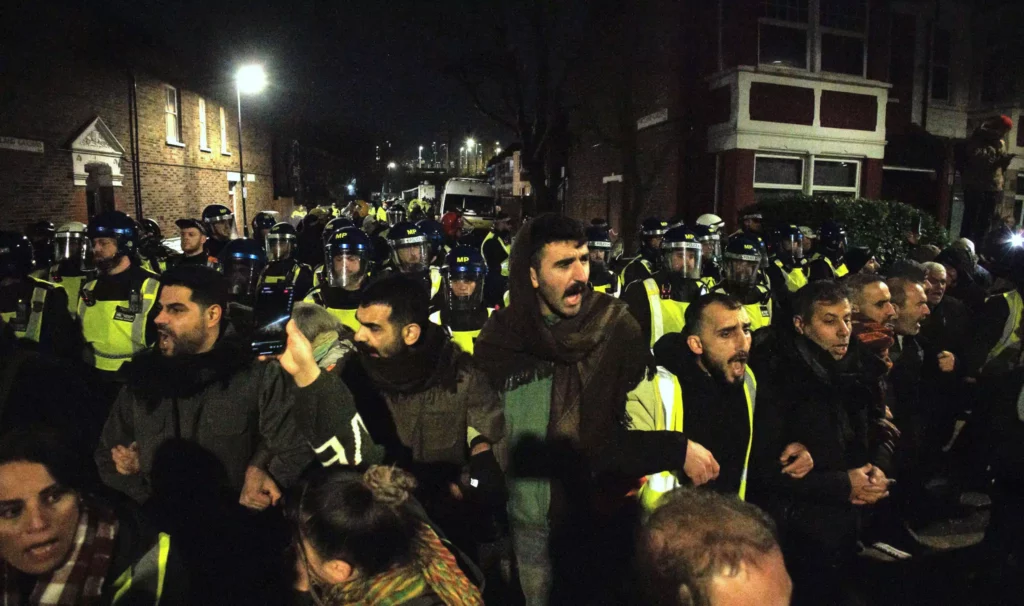
But three activists accused of PKK membership face retrial following jury deadlock
Three Kurdish activists accused of being members of banned Kurdistan Workers’ Party (PKK) will be retried after a jury was unable to reach a verdict in their case.