South Caucasus Navigates A New Order – Analysis
Key Takeaways:

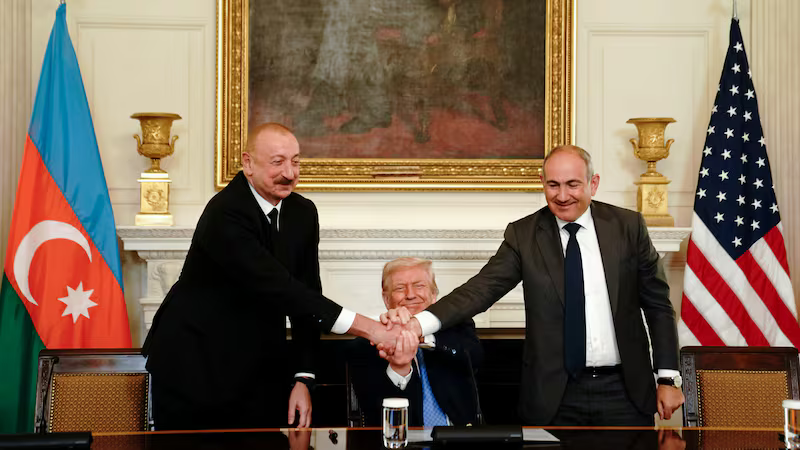
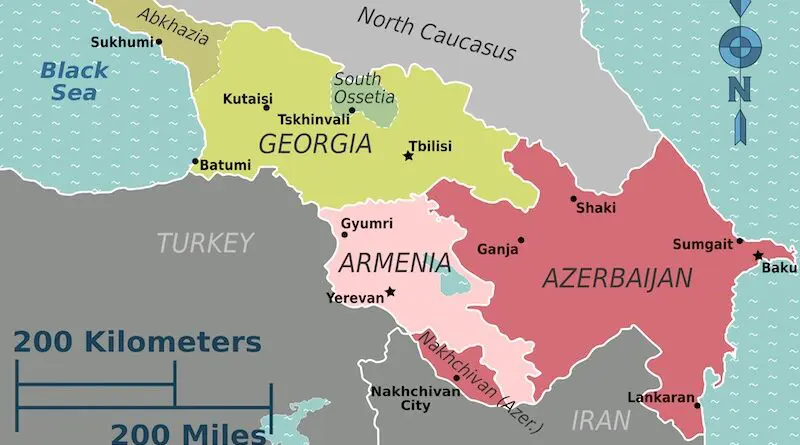
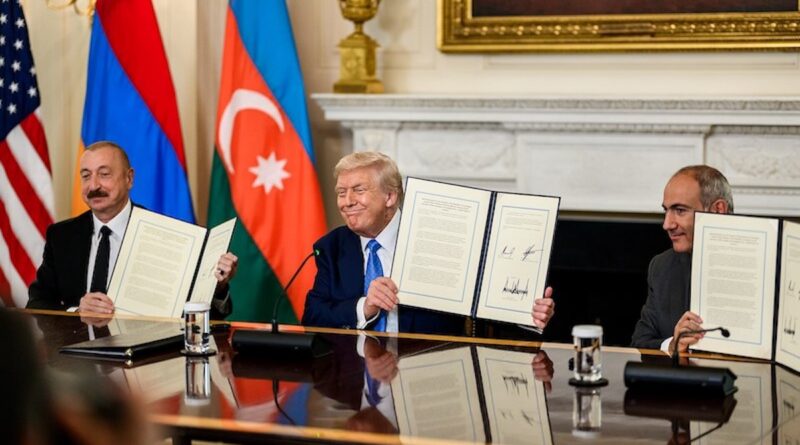
On 10 August the U.S., Armenia, and Azerbaijan marked one year after the White House summit and restated work on TRIPP—a corridor from Azerbaijan to Nakhchivan across Armenia. The route is not built. Armenia’s Constitutional Court hears the U.S. framework on 15 September; a new Armenian constitution and a 2027 referendum are also tied to Baku’s peace terms.
Kazakhstan: A Responsible Middle Power And Strategic Connector Of Eurasia – Analysis

Key Takeaways:

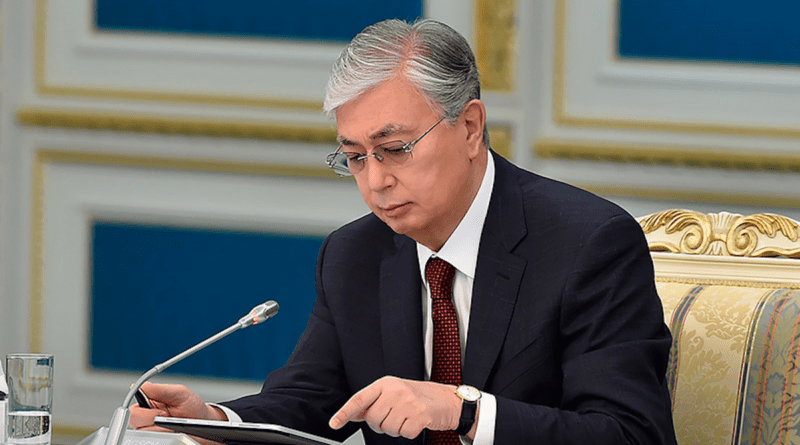
  • IFIMES reads Tokayev’s Bishkek SCO speech as “responsible middle-power” policy: use the SCO’s “Shanghai spirit” and even a UNGA resolution on its principles, but treat the UN as irreplaceable. Kazakhstan would link China, Russia, the EU, the U.S., Turkey, and the Gulf rather than pick a bloc.
  • Tools cited include the Trans-Caspian Middle Corridor (more than raw transit: logistics, industry, digital customs), deep China ties moving from energy to AI and manufacturing, 2026 as a digitalization year, a proposed UN water body and SCO water centre, and a new constitution plus unicameral Kurultai from 1 July 2026.
  • Nuclear identity is Semipalatinsk and the 2006 Central Asian nuclear-weapon-free zone (20th anniversary statement, 8 Sept 2026). The piece also flags EU/Western Balkans interest in the corridor. The test, it says, is keeping autonomy while China supplies capital and tech. That is the institute’s interpretation of Astana’s line.

Gulf investors bet billions on Uzbek energy transformation

For decades Gulf money has poured into luxury property markets, trophy assets and the world’s best-known financial centres.

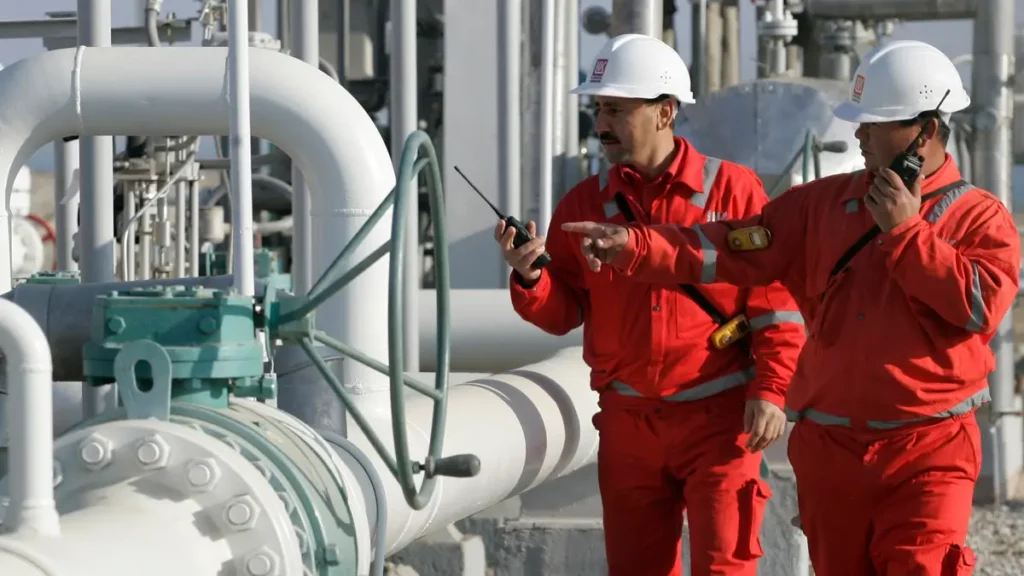
But increasingly it is heading to a former Silk Road hub, where ageing gas infrastructure, a rapidly growing population and economic reforms offer the opportunity to invest in a new energy system.

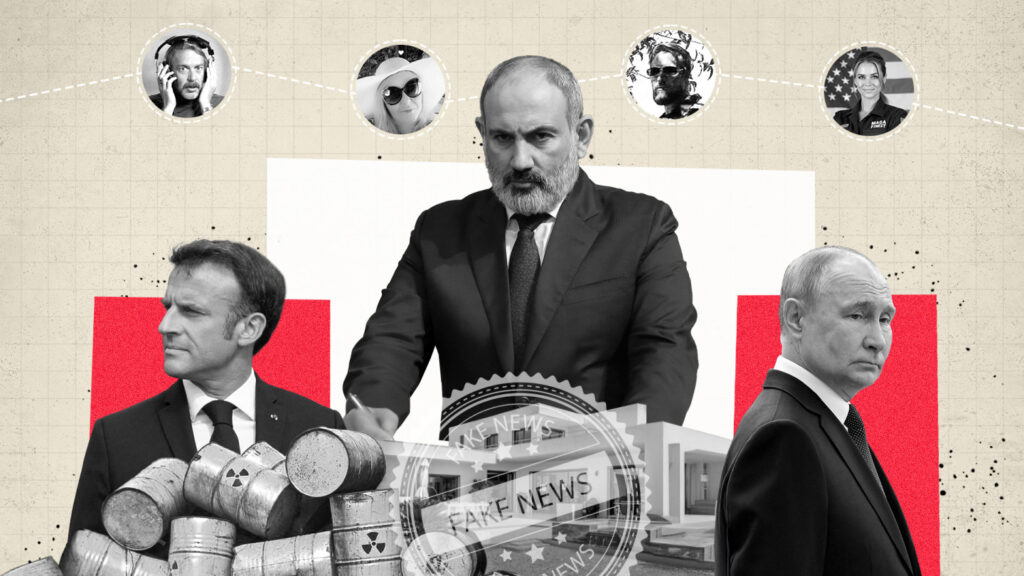
Pro-Kremlin network targets Armenian PM Nikol Pashinyan with disinformation campaign

On May 30, multiple media platforms published the news that Armenian Prime Minister Nikol Pashinyan had bought a luxurious villa overlooking Marseille for 3.1 million euros ($3.6 million).

The articles claimed that, in order to purchase the property, Pashinyan had misappropriated funds from the French Development Agency (AFD) and the Coordination Council of Armenian Organisations in France (CCAF), which had been earmarked for development and humanitarian initiatives in Armenia.

Does Trump’s Armenia-Azerbaijan trade corridor deal pave the way to peace?

At the end of a media briefing in New York last month, senior US official Tom Barrack slid in a reference to Washington controlling one of the most fraught pieces of land in the South Caucasus.

“They’re arguing over 32km of road, but this is no joke,” Mr Barrack said. “So what happens is America comes in and says, ‘OK, we’ll take it over. Give us the 32km of road on a 100-year lease, and you can all share it’.”

Den of thieves: Mapping organized crime in the South Caucasus

Criminal networks in the South Caucasus are expanding their reach across borders, exploiting both the region’s geographic position as a trade hub and its complex political environments. While in Azerbaijan, organized crime has largely been absorbed by the state apparatus, in Georgia and Armenia, criminal groups have been allowed to operate within limits set by political authorities. In all three countries, these networks thrive on blurred lines between licit and illicit economies, creating transnational challenges for security and governance.

The Precarious Power of Azerbaijan: How a Delayed Peace With Armenia Endangers a New Regional Order

Few other countries in the past five years have experienced as great a shift in fortune as Azerbaijan. As recently as 2020, the small, oil- and natural-gas-rich country was mired in a decades-long conflict with neighboring Armenia and lacked full control of its territory. For years, the breakaway region of Nagorno-Karabakh, a mountainous area with an ethnic Armenian population within Azerbaijan’s internationally recognized borders, had been governed by a self-declared authority backed by Armenia. The unresolved status of the conflict left Azerbaijan diplomatically constrained and limited outside engagement with the country. It also made the nation strategically dependent—particularly on Russia, which cast itself as the region’s indispensable arbiter and used the stalemate to keep Armenia reliant on its security guarantees while maintaining leverage over Azerbaijan.

Peace In The Caucasus – Analysis

In recent weeks, much international attention has focused on the war between Russia and Ukraine, and US President Donald Trump’s efforts to bring the fighting to an end.

However, another long-standing conflict, just a few hundred kilometers southeast of Ukraine, might also be approaching a peaceful resolution: the more than 30-year struggle between Armenia and Azerbaijan in the South Caucasus.