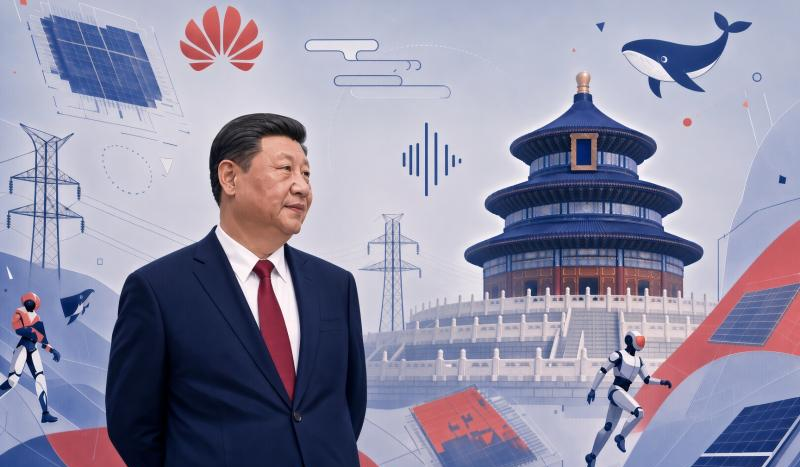
En 2018, Washington déclenche une guerre technologique contre Pékin sur le terrain des semi-conducteurs. Pourtant, les derniers modèles d’IA chinois rivalisent aujourd’hui avec les meilleurs modèles américains. Décryptage d’une montée en puissance irrésistible.
Farhad N. was just a few months old when hijacked airliners were deliberately piloted into the twin towers of the World Trade Center in New York on September 11, 2001, part of attacks on the United States that killed thousands of people.
Twenty-five years later, he was sentenced to life imprisonment for plowing a Mini Cooper car into a crowd of people in Munich, killing two people and injuring dozens.
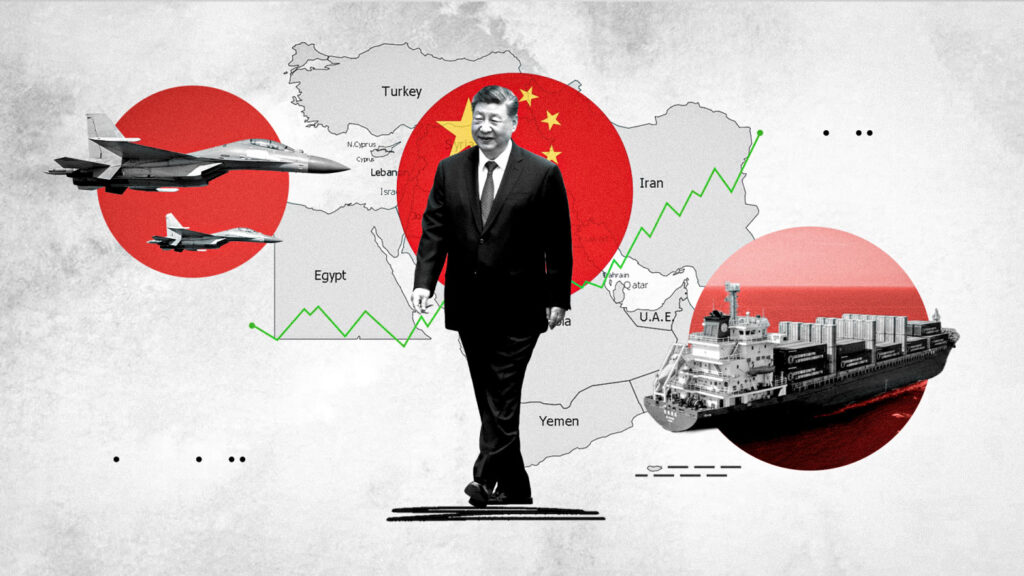
The clearest example is the recent “Eagles of Civilisation 2026” military exercises with Egypt. The drills demonstrated capabilities that went beyond symbolic military diplomacy. China deployed J-16 fighter aircraft, a YY-20A aerial tanker, a KJ-500 airborne early-warning aircraft, an electronic warfare aircraft, and other support assets to Egypt.
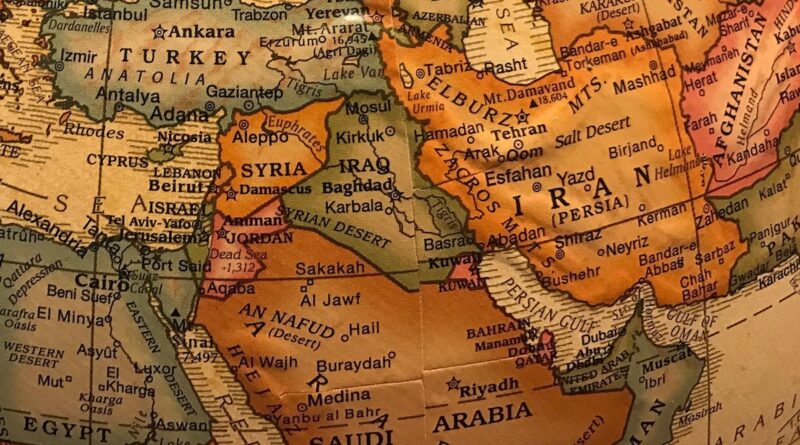
Key Takeaways: The essay reads West Asia through neorealism and burden-sharing: Washington still wants influence but prefers partners (Turkey, Gulf states, Pakistan) to carry more of the security load after Assad’s fall. Turkey’s Syria role, plus the Aug. 7, 2026 Mecca/Makkah pact among Saudi Arabia, Turkey, and Pakistan, is framed as flexible balancing and autonomy—not a finished anti-Iran alliance; success depends on exercises, industry, and crisis aid. Iran’s “strategic depth” via Syria and Hezbollah is described as under pressure if a Turkey-friendly Syrian order takes hold; the author sees a fluid multipolar balance, not a single bloc. Strategic Reconfiguration of the Middle East: An Assessment Through International Relations Theory A phase of structural adjustment is about to begin in the West Asian geopolitical order. Neither the United States nor regional powers are merely stepping in to fill the void left by the United States’ withdrawal from the Middle East. Rather, Washington seems more open to encouraging skilled allies to take on more responsibility for regional security while maintaining American strategic sway.
Il n’aura fallu que quelques missiles yéménites sur des raffineries saoudiennes pour réveiller les “dirigeants” de l’Oumma, et non les plus de 100 000 Palestiniens tués à Gaza par le culte mortifère.
Il n’aura fallu que quelques missiles yéménites tirés sur des raffineries saoudiennes pour réveiller les “dirigeants” de l’Oumma, contrairement aux plus de 100 000 Palestiniens tués à Gaza par le culte mortifère.
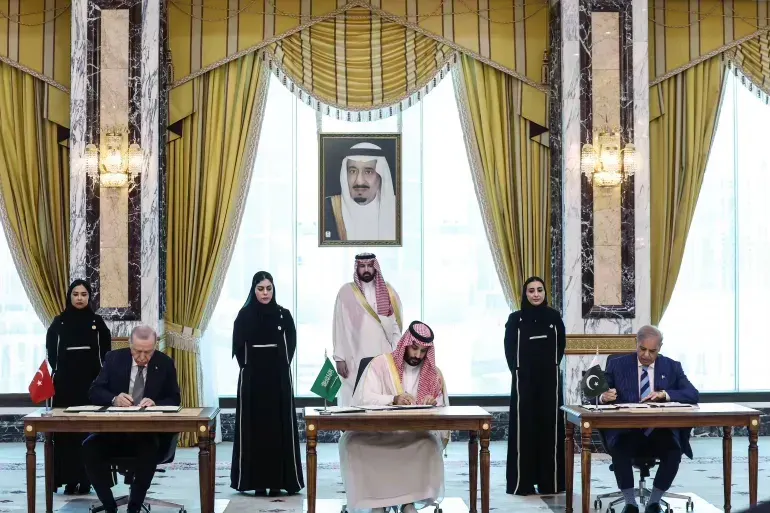
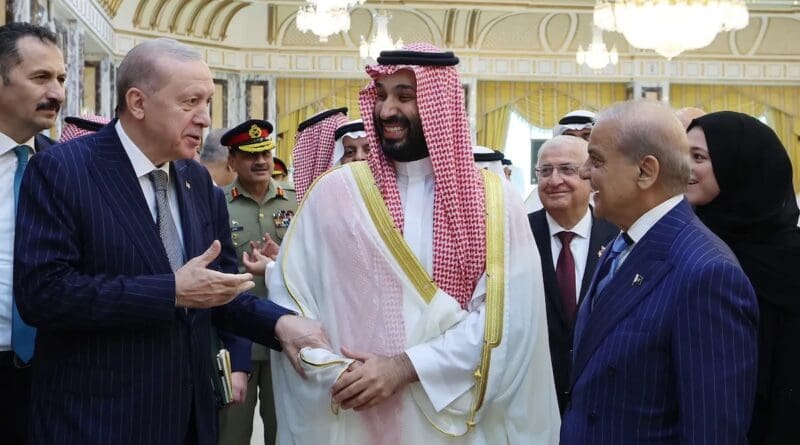
Key Takeaways The Mecca Joint Defence Agreement of 7 August 2026 is a defensive political-military framework among Saudi Arabia, Türkiye and Pakistan that institutionalises coordination, joint exercises and defence-industrial cooperation rather than an immediate “Islamic NATO.” Pakistan stands to gain most in strategic profile, financial support, access to Turkish technology and broader regional influence (including through arms exports such as the reported Libya deal), while Saudi Arabia seeks security diversification and Türkiye expands its defence-industrial reach. For India the pact is neither an automatic anti-India alliance nor something to ignore; New Delhi should monitor Pakistan’s expanding external networks, strengthen relevant military capabilities, and deepen its own substantial economic and strategic ties with Saudi Arabia while maintaining engagement with Türkiye. The signing of the Mecca Joint Defence Agreement (MJDA) by Saudi Arabia, Türkiye and Pakistan on 7 August 2026 marks an important development in the evolving security architecture of West Asia. The agreement, signed in Mecca by Saudi Crown Prince Mohammed bin Salman, Turkish President Erdoğan and Pakistani Prime Minister Shehbaz Sharif, provides that an armed attack against one signatory will be regarded as an attack against all three. The three countries have, however, repeatedly emphasised that the arrangement is defensive in character and is not directed against any particular state. Recent statements from Türkiye indicate that the pact is intended to institutionalise political and military coordination, joint exercises and defence-industrial cooperation.
La bombe nucléaire n’est pas la principale menace pour le monde. Il existe quelque chose de bien plus dangereux.
La principale menace dans la confrontation entre les États-Unis et la Chine n’est pas la parité militaire, mais la surestimation mutuelle de ses propres capacités. La question devrait être de savoir comment éviter le conflit et travailler ensemble à l’élimination des menaces communes, telles que le changement climatique et l’injustice sociale.
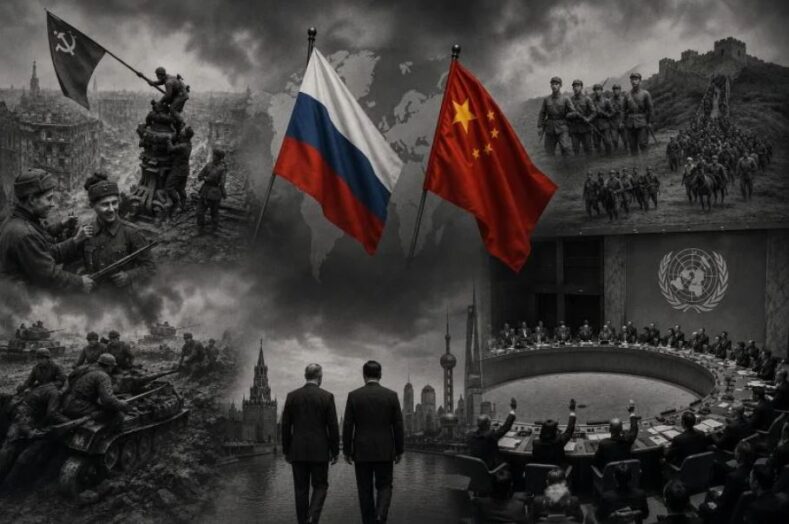
The thesis of “shared responsibility” between Nazism and Communism, promoted by European institutions since 2019, and the sustained vote of Germany, Japan and Italy against the UN resolution on the glorification of Nazism reveal the same strategic purpose: to question the legitimacy of Moscow as the founding power of the post-war order.
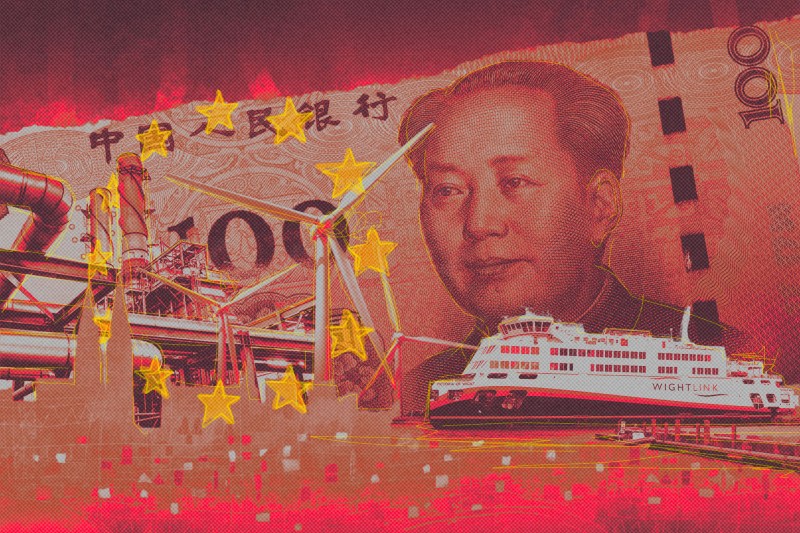
Through an opaque network of shell companies in the British Virgin Islands and Luxembourg holding firms, an agency that manages China’s foreign reserves has discreetly scooped up stakes in Europe’s critical infrastructure, utilities, and real estate.
From a gas company in Spain to a police headquarters in Belgium, an agency directed by China’s central bank has been quietly acquiring stakes in companies and properties across Europe over the past decade.
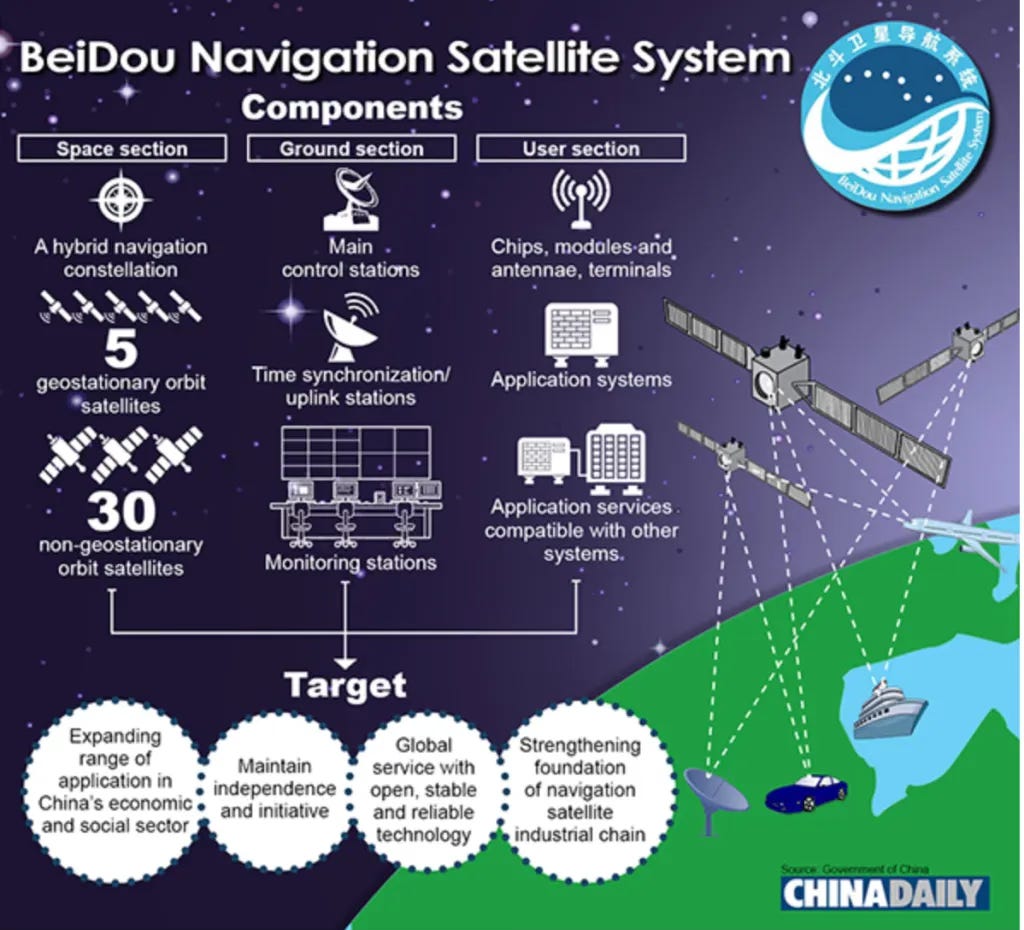
Permettez-moi de la résumer. Au cours de la guerre de 12 jours en juin 2025, les missiles et drones iraniens ont peiné face à la guerre électronique élaborée menée par Israël et les États-Unis. Le brouillage et la falsification du GPS ont perturbé à plusieurs reprises leurs systèmes de guidage, limitant ainsi leur efficacité pendant cet intense conflit de 12 jours. Au début de l’année 2026, la dynamique du champ de bataille a radicalement changé. Les frappes de précision iraniennes ont commencé à contourner les défenses aériennes avancées, touchant des cibles sensibles à travers le Golfe avec une précision surprenante. Les analystes du renseignement ont mis en avant un facteur clé : l’Iran a abandonné le GPS au profit du système de navigation par satellite chinois Beidou.