Syria
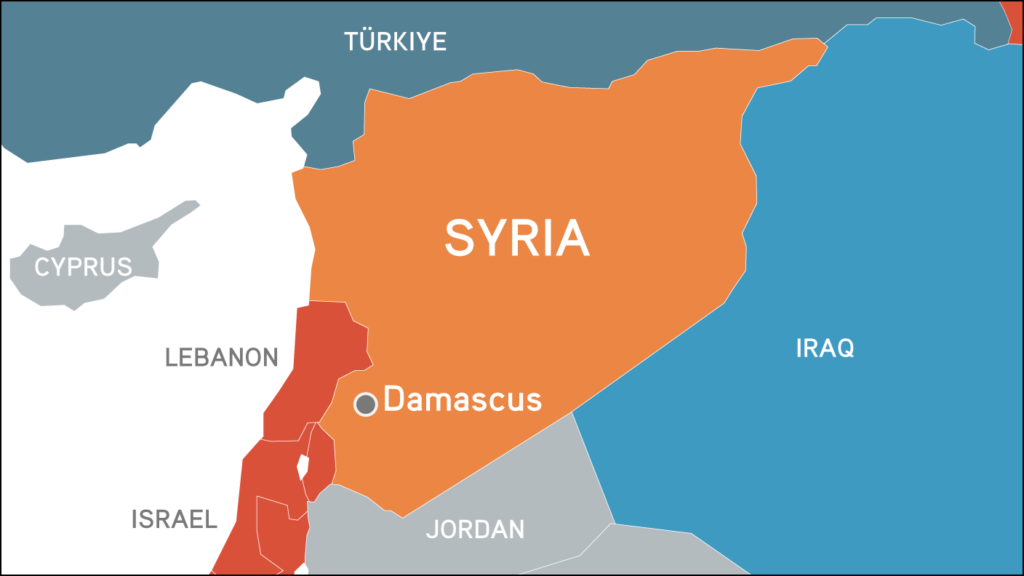
Populations in Syria remain at risk of war crimes amid intermittent hostilities and a fragile political and security environment since the overthrow of Bashar al-Assad’s government.

Populations in Syria remain at risk of war crimes amid intermittent hostilities and a fragile political and security environment since the overthrow of Bashar al-Assad’s government.
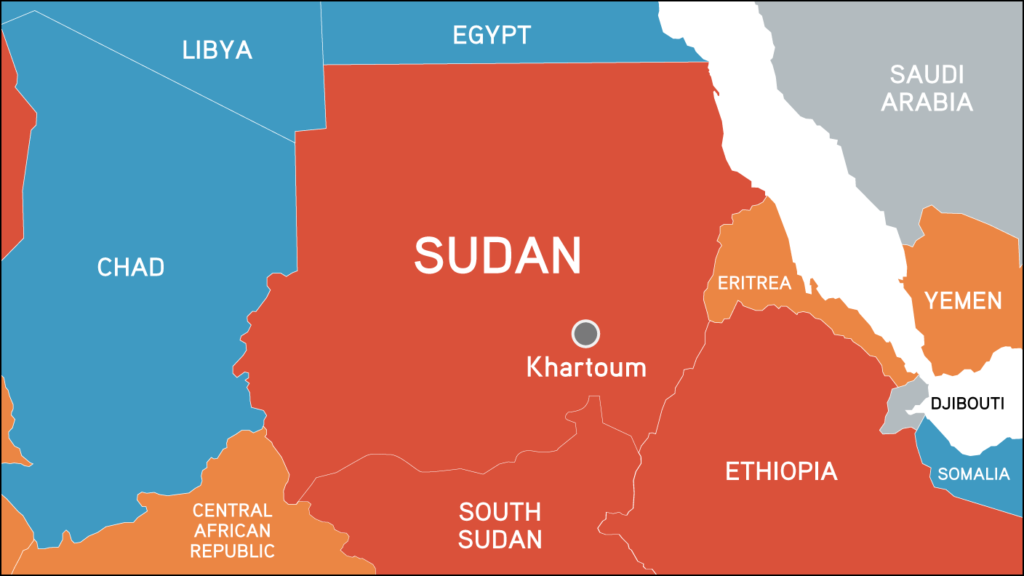
Populations in Sudan are enduring war crimes and crimes against humanity due to an armed confrontation between the Sudanese military, the paramilitary Rapid Support Forces (RSF) and allied armed groups. Non-Arab communities in Darfur are enduring crimes perpetrated by the RSF that may amount to acts of genocide.
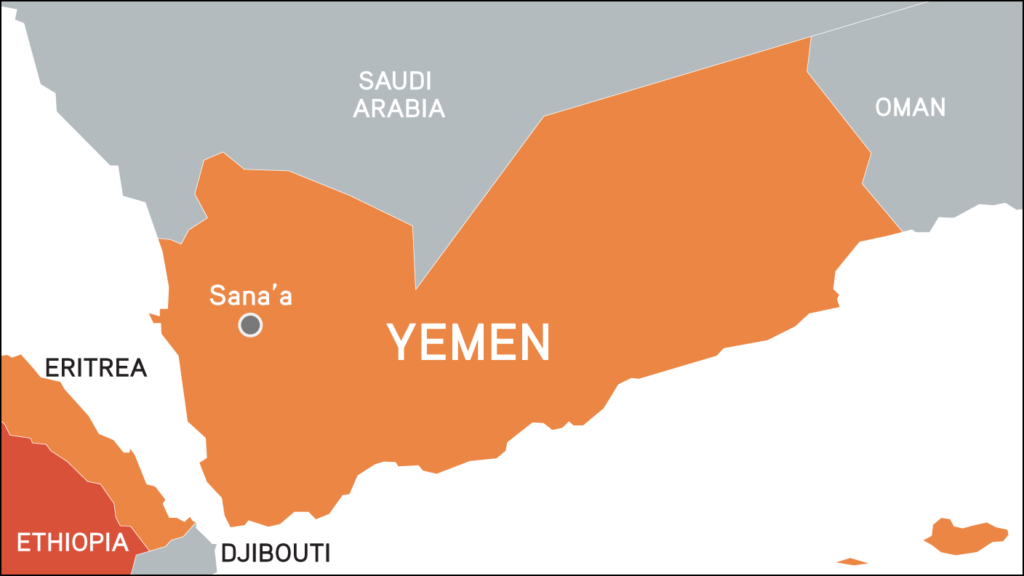
Populations in Yemen remain at risk of war crimes.
BACKGROUND:
Since 2015 civilians in Yemen have suffered recurrent war crimes and crimes against humanity. Fighting between Houthi forces, the Southern Transitional Council (STC) – a United Arab Emirates (UAE)-backed southern secessionist group – and forces loyal to the internationally recognized government (IRG), together with airstrikes by a Saudi Arabia and UAE-led international coalition, have resulted in widespread civilian casualties. Coalition airstrikes alone killed or maimed more than 19,200 civilians, including over 2,300 children largely between March 2015 and April 2022. At least 4 million people have been displaced.
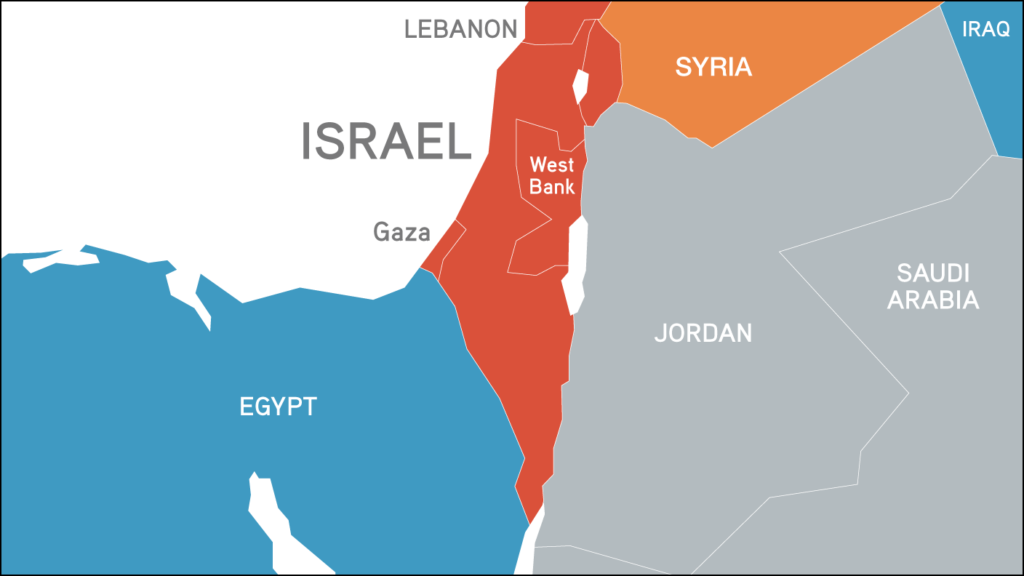
Israeli forces have perpetrated atrocity crimes in Gaza and the Occupied West Bank, including war crimes, crimes against humanity, ethnic cleansing and genocide. Hamas and other Palestinian armed groups have also perpetrated atrocity crimes.
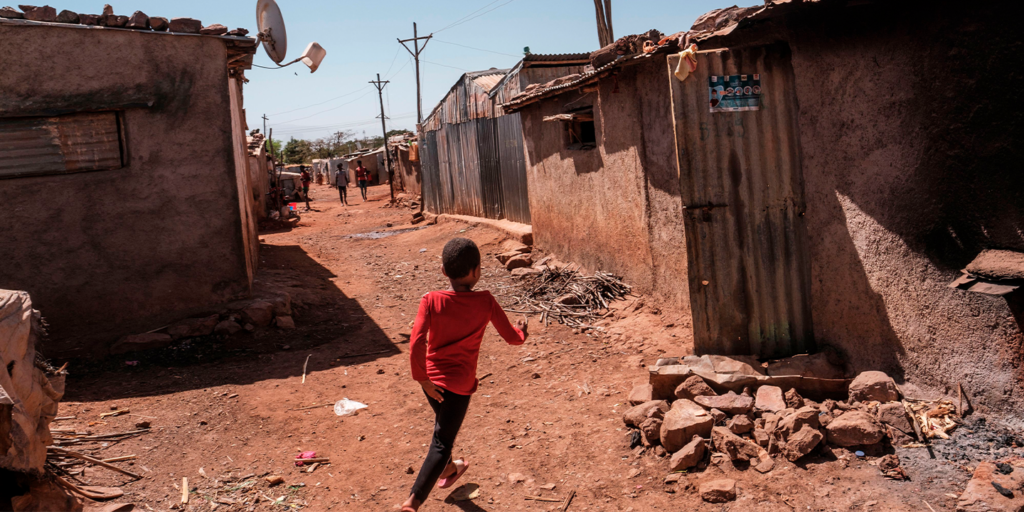
UN EXPERT WARNS OF ONGOING ATROCITIES IN ERITREA
On 19 June the UN Special Rapporteur on the situation of human rights in Eritrea, Mohamed Abdelsalam Babiker, concluded that there remain “reasonable grounds to believe that crimes against humanity continue in Eritrea.” Presenting his latest report to the UN Human Rights Council (HRC), he warned that there are “no signs of meaningful improvement” in the country’s human rights situation and highlighted the government’s ongoing reliance on repression, arbitrary detention, enforced disappearance and indefinite national service. He further noted that grave violations persist amid widespread impunity, with no accountability for past or ongoing abuses.
A Muslim’s duty, we were taught in the Middle East, is to promote and establish Islamic government. Failing to do so means one’s religion and duty to Allah remain incomplete. Everyone must perform jihad (holy war; struggle in the cause of Islam) to impose Allah’s law on the world’s population. Everyone is a mujahid (fighter, from the word jihad). The promised end is one Islamic ruler under whom Allah’s sovereignty is complete on Earth.
Mazen Alloush, Director of the International Relations and Cooperation Administration, met with a Swedish delegation on Wednesday to discuss joint cooperation on migration, voluntary return, and reintegration programs.
The European energy crisis is not over. Gas prices remain stubbornly high across the continent as Europeans face a long winter.
Faced with an energy crisis stemming from Europe’s continued dependence on imported liquefied natural gas, in a context of continuous global geopolitical volatility, European leaders are working to diversify the bloc’s energy mix. If this translates into a rapid expansion of renewable energy capacity, it also marks a significant return to the world’s most polluting fossil fuel: coal.
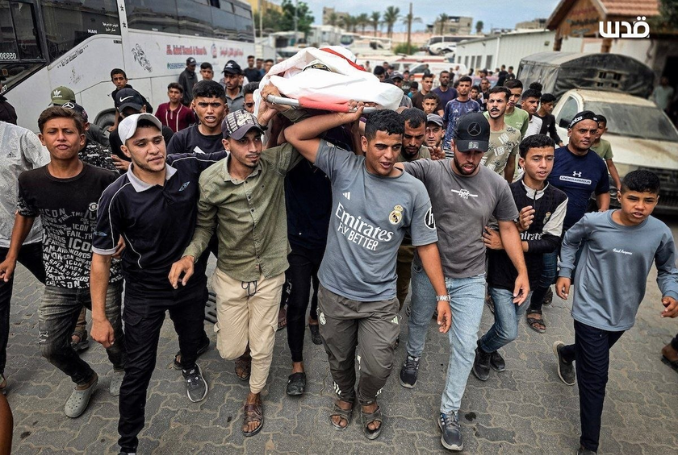
What kind of ceasefire allows bombing to resume without warning, vehicles carrying civilians to be struck, homes to collapse upon their inhabitants?
Let’s make something clear from the outset: the so-called Trump Gaza plan, announced on September 29, 2025, which led to the October ceasefire, sparked widespread hope that international diplomacy had finally prevailed to halt the violence.
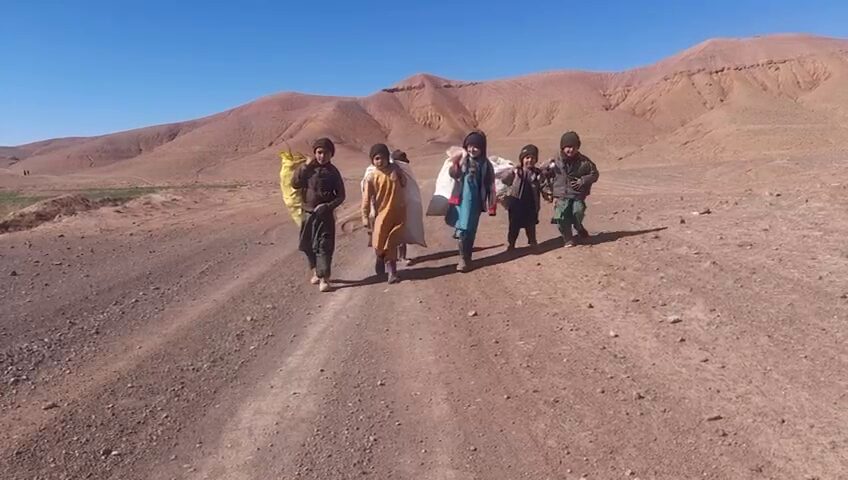
More than four million children in Afghanistan are expected to need treatment for acute malnutrition in 2027 as the country faces the highest levels recorded for the period, according to a new assessment conducted by UN agencies, humanitarian organizations and other partners.