
L’Œuf du Monde et le crépuscule de l’homme moderne
L’Œuf du Monde et le crépuscule de l’homme moderne
De la dissolution de l’individu au retour des civilisations : Guénon, Douguine et la dimension métaphysique de l’ordre mondial émergent.
5 things to know about the crisis in Yemen
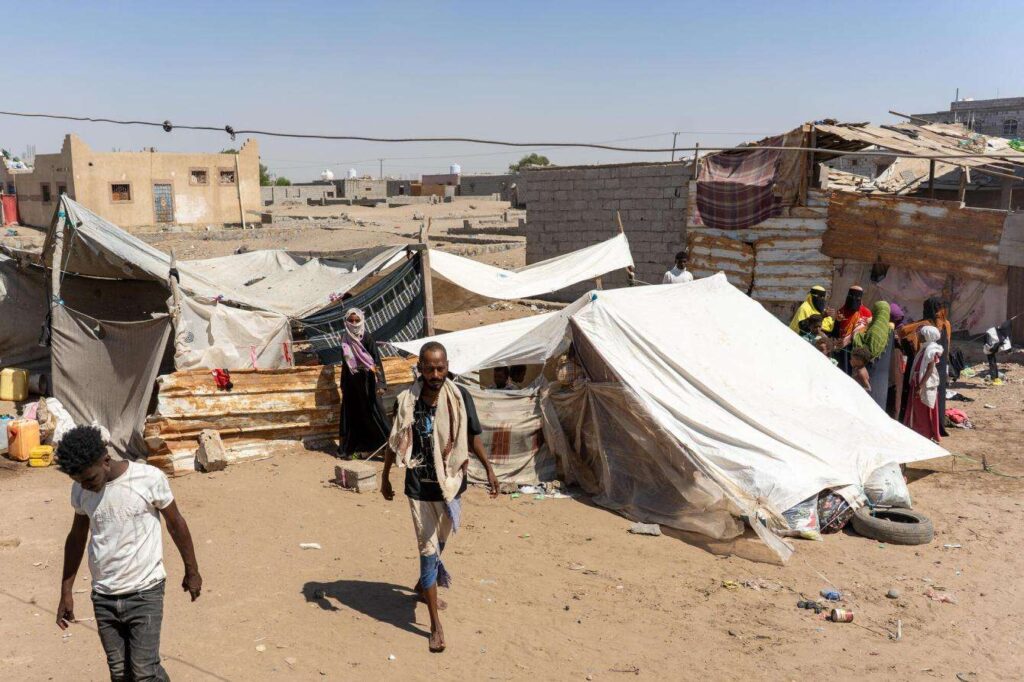
Recent fighting in Yemen has displaced tens of thousands of people, causing health care needs to soar.
As fighting escalates in Yemen, the growing number of injured people is putting pressure on a health system already stretched thin. In response, Doctors Without Borders/Médecins Sans Frontières (MSF) has been supporting health facilities and reaching people through mobile clinics. Here are five things to know about the current situation in southern Yemen.
Turkey’s Approach to Yemen: Pragmatism or Offensive?
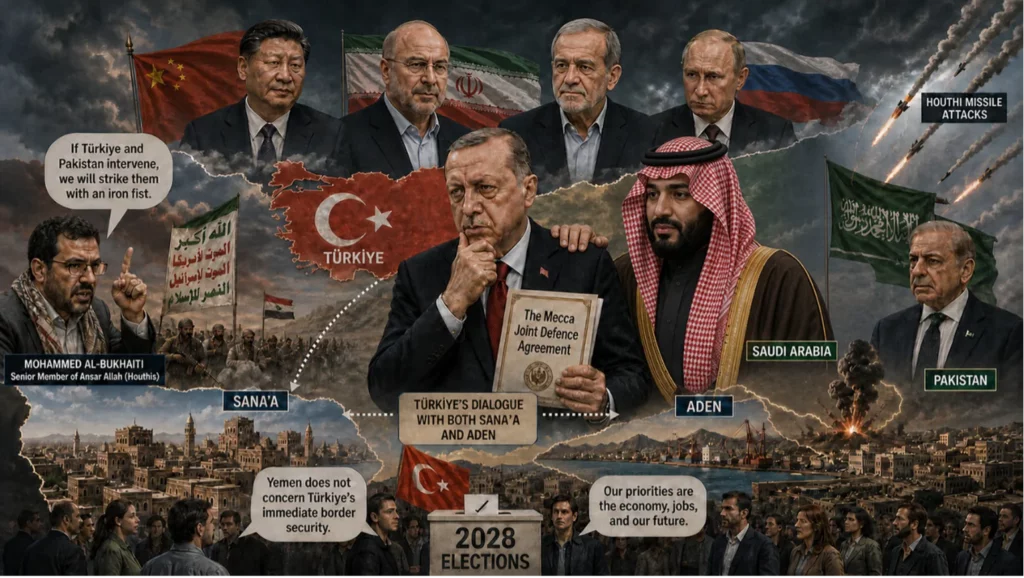
In 2026, Turkey’s policy in Yemen shifted from exclusive neutrality and mediation efforts to “the brink” of military intervention against the government in Sanaa and the Ansar Allah movement, yet a range of geopolitical, legal and domestic political factors makes this scenario being fully put into practice unlikely.
A Brief Retrospective of Turkish-Yemeni Relations
Relations between Turkey and Yemen date back to the outset of the Ottoman Empire’s conquests in the Arabian Peninsula, taking in the Ottoman occupation of Yemeni territory, Yemeni uprisings, and periods of conflict and stability. The Ottoman occupation of Yemen, interrupted by temporary periods of Yemeni independence, carried on until 1918, when Yemen declared itself an independent state.
Why Marco Rubio Is Bringing the Clash of Civilizations Back: When Propaganda Is Dressed Up as a Civilizational Crusade
Marco Rubio’s Athens speech presented American global dominance as the noble defence of Western civilization, but behind the historical scenery lies a cruder political order — restore Western supremacy and make Europe follow Washington.
Weaponizing Energy: The Global Consequences of Attacks on Oil Infrastructure
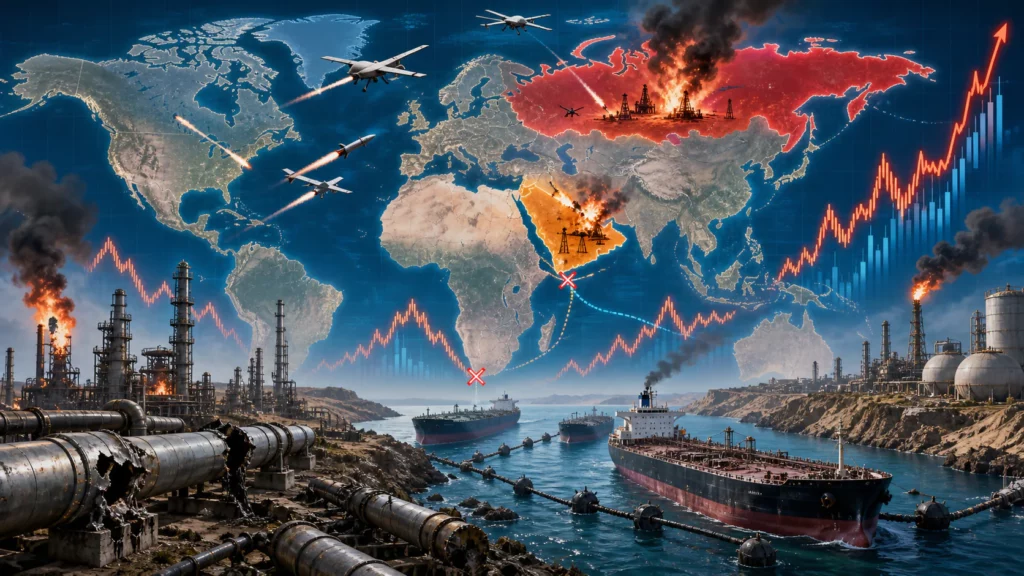
Attacks on Russian and Saudi oil infrastructure threaten global energy security by disrupting supplies, increasing oil prices, and intensifying economic pressures on importing countries. Coordinated international efforts are essential to protect energy facilities, diversify supplies, and secure maritime trade routes.
Militant spillover from Mali raises mining-related security risks in Guinea
Executive summary
Guinea has remained largely insulated from the militant violence affecting neighboring Mali. However, the security environment along the Mali-Guinea border has become increasingly fragile as the al-Qaeda-affiliated Jama’at Nusrat al-Islam wal-Muslimin (JNIM) has expanded and entrenched its presence across southern Mali. This expansion has brought militant activity closer to Guinea’s eastern border areas, where major industrial and artisanal mining sites are located. Although there is limited evidence of sustained militant operations inside Guinea, official warnings, suspected reconnaissance, militant recruitment, violent incidents, and counter-terrorism investigations point to an elevated risk of future spillover.
JNIM’s expansion in western Mali puts Senegal’s trade and mining sectors at risk
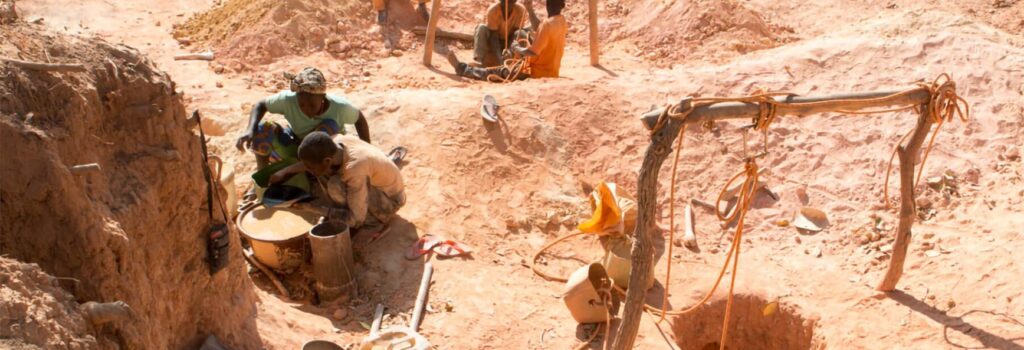
Senegal faces no immediate threat from JNIM, but the group’s entrenchment in bordering Mali gives it access to cross-border communities, trade, and gold mining.
Could this be the deadliest battle yet between ISSP and JNIM?
Heni Nsaibia, West Africa Senior Analyst at ACLED, said:
“The Islamic State Sahel Province (ISSP) has claimed a major battlefield victory over its al-Qaeda-affiliated rival, Jama’at Nusrat al-Islam wal-Muslimin (JNIM), following clashes in the area of Kacham in Burkina Faso’s northern Sahel region earlier this month. ISSP claims to have killed more than 200 JNIM fighters, wounded dozens, captured and subsequently executed more than 30 others, and seized large quantities of weapons and motorcycles. If accurate, the reported death toll would make this the deadliest battle between the groups recorded by ACLED.
Eritrea
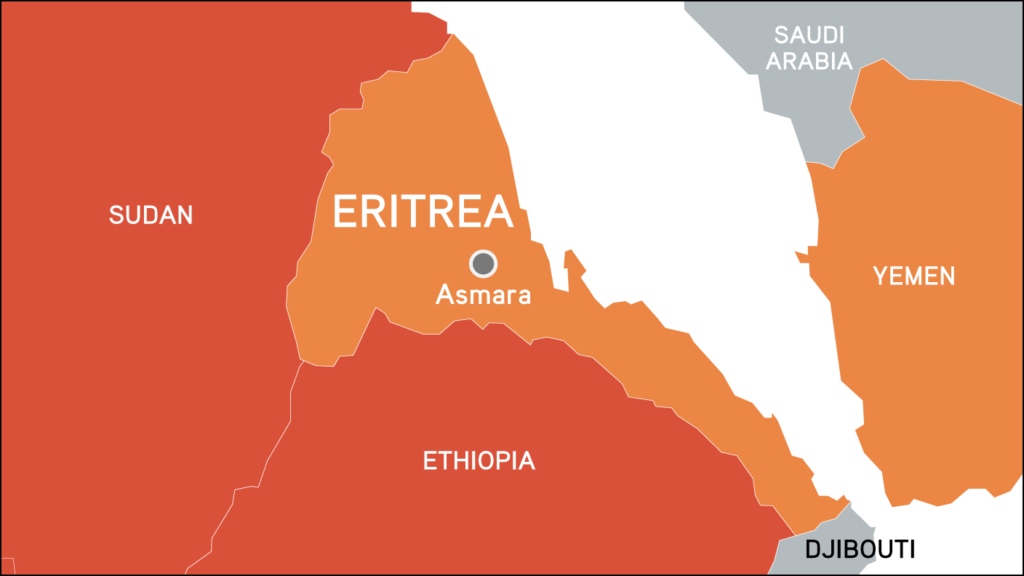
Civilians in Eritrea face ongoing systematic and widespread violations of human rights that may amount to crimes against humanity. Eritrean armed forces have also been accused of potential war crimes and crimes against humanity in neighboring Ethiopia.