No War for Old Spies: Putin, the Kremlin and Intelligence

Russia’s failures are a result of outdated Soviet attitudes and ideas that cannot keep up with the evolving intelligence environment.
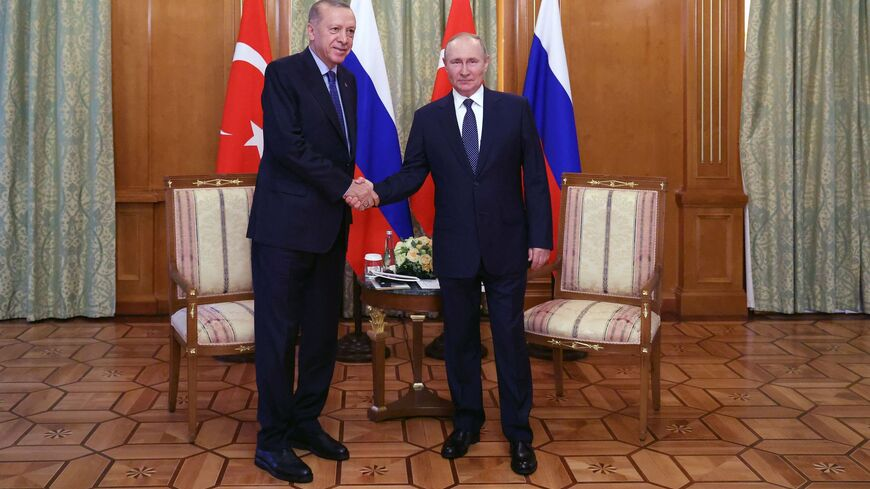
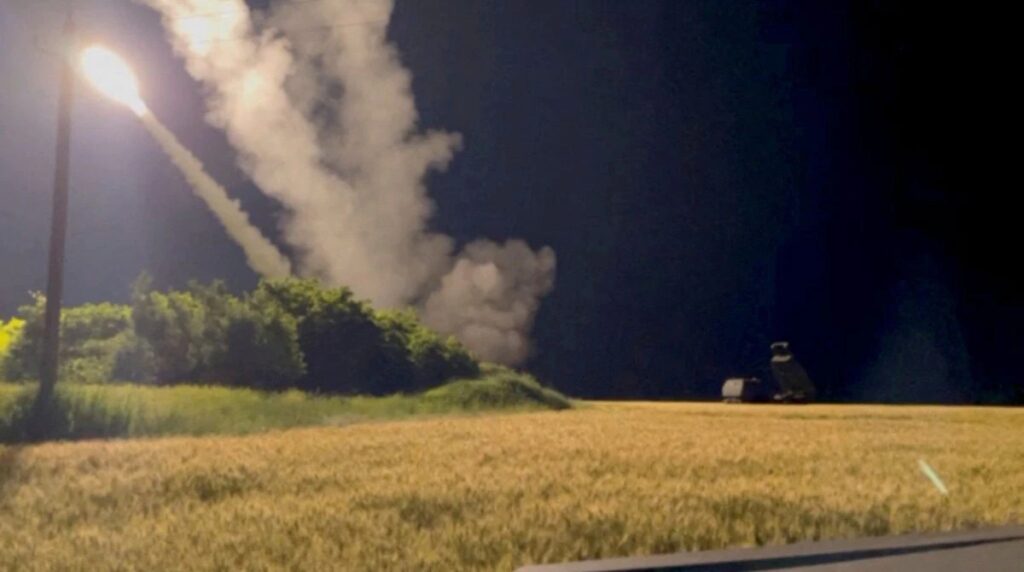
The Russian offensive against Ukraine has been dogged by a cascade of intelligence failures at every level of command. This has ranged from completely failing to assess the likelihood and shape of a unified Western response and Ukraine’s determined resistance, to inadequate preparations for Ukraine’s ‘mud season’ and a bewildering lack of any effective operational security (OPSEC) measures. The irony of this, of course, is that Vladimir Putin’s ruling coterie is numerically and functionally dominated by former intelligence officers. Attempts to explain this paradox have tended to rely on conventional wisdoms of why authoritarian regimes are often bad at strategic intelligence. Such governments, the orthodoxy runs, may invest heavily in covert information collection, but they are typically poor at analysis and assessment. In part this is because of an institutional bias towards espionage that neglects analysis, partly because of a pressure to tell autocrats what they want to hear because of the personal and professional risks of doing otherwise, and partly because autocrats tend to act as their own intelligence officers and ignore the truth even when someone dares speak it, acting instead on their own judgement.