
Swelling waves of dissatisfaction are sweeping the Islamic Republic of Iran into the new year. What began on December 28 as demonstrations in downtown Tehran has crossed the country to Malard, Isfahan, Hamedan, Kerman, Ahvaz, Qeshm, and several other cities. They have been joined by coordinated strikes held by merchants and business owners, who have traditionally held great influence. Nationwide protests and strikes have persisted through a fourth day, despite the fact that there have been arrests and even cases of authorities firing on protesters.
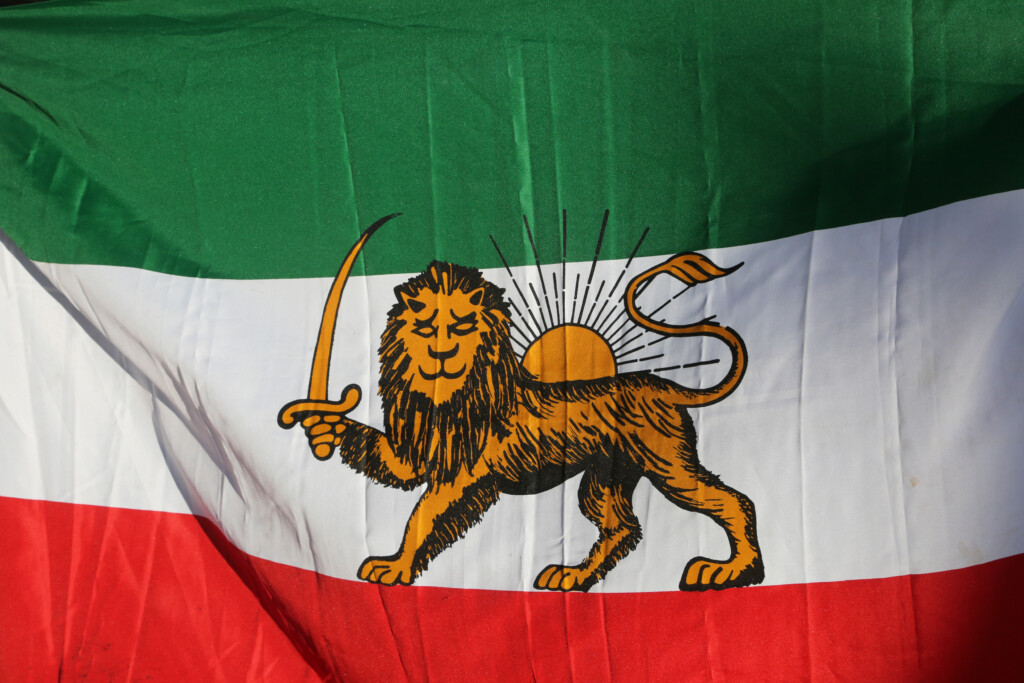
These demonstrations are based on economic, social, and political grievances, similar to other disruptions in the last decade, with ever-louder calls for the regime’s removal. Nationalist and pro-monarchy calls can be heard all over the country.
Soaring Inflation and Crashing Currency Causing Strains
Economic decline has driven labor unrest into coordinated political protests. The December 9 march of nearly 5,000 petroleum workers at South Pars drew support from other unions and was followed the next day by joint protests involving power sector and welfare staff.
Iran’s inflationary crisis has intensified in recent months, with average annual inflation at 42.2 percent. Food prices rose about 72 percent year on year, compared with roughly 43 percent for other goods and services. Iran’s currency, the rial, has plummeted in value against other currencies. On December 28, one U.S. dollar would cost you 1.4 million rials on the open market, 40 percent more than six months ago.
Anti-regime Currents Increasingly Adopting a Nationalist Orientation
People are turning to the past for inspiration — even the ancient past. On an October day in 2016 honoring Cyrus the Great, the ancient Persian ruler from more than 2,500 years ago, crowds chanted slogans calling for the return of the modern-day Pahlavi dynasty. That current resurfaced in later protest waves, including the 2017, 2019, and 2022 uprisings, along with purely nationalist sentiments. Demonstrators have called out, “Neither Gaza nor Lebanon, My life for Iran,” a blatant rejection of Tehran’s Islamist priorities over those of the nation’s people. At a December 12 memorial ceremony for an Iranian human rights lawyer found dead under suspicious circumstances, attendees inside a mosque in the religious city of Mashhad chanted pro-monarchy slogans, including “Long live the king.”
Pro-monarchy sentiment has become even more pronounced in the current protests. Demonstrations on December 29 in Tehran, Malard, Dargahan, and Hamedan featured chants of “This is the final battle, Pahlavi will return,” while protesters in Isfahan’s bazaar shouted “Long live the King.” The same slogans reappeared the following day across Tehran, Arak, Kermanshah, Shahr-e Kord, and other cities.
Again and Again, Iranians Have Fought Back Against the Regime
Despite the regime’s brutality in crackdowns and executions of political prisoners, Iranians have continued to defy repression. Demonstrations in the religious city of Mashhad in 2017, largely driven by working-class anger over deteriorating living conditions, quickly spread across the country, calling for an end to the regime and were met with violence. Yet they came out again in the November 2019 fuel-price hike protests, where security forces killed some 1,500 unarmed protesters within days. Undeterred, Iranians took to the streets nationwide in 2022. They were met with bullets then, yet they are now mobilizing once more.
The United States Must Meet the People of Iran Where They Are
One way for Washington to support Iranians is through public diplomacy in line with the wants and desires of the people who are out on the streets risking their lives. U.S. Persian-language messaging continues to center on figures who lack domestic traction. Washington’s failure to reflect what is being voiced on the streets misses the enormous opportunity that comes along with these protests.
There are also more active measures that can be taken. President Donald Trump recently hinted he would greenlight Israeli strikes on Iran’s ballistic missile and nuclear infrastructure. Should a new conflict between Israel and the Islamic Republic arise, Washington should also consider supporting or enabling Israeli efforts to target the regime’s repression apparatus.