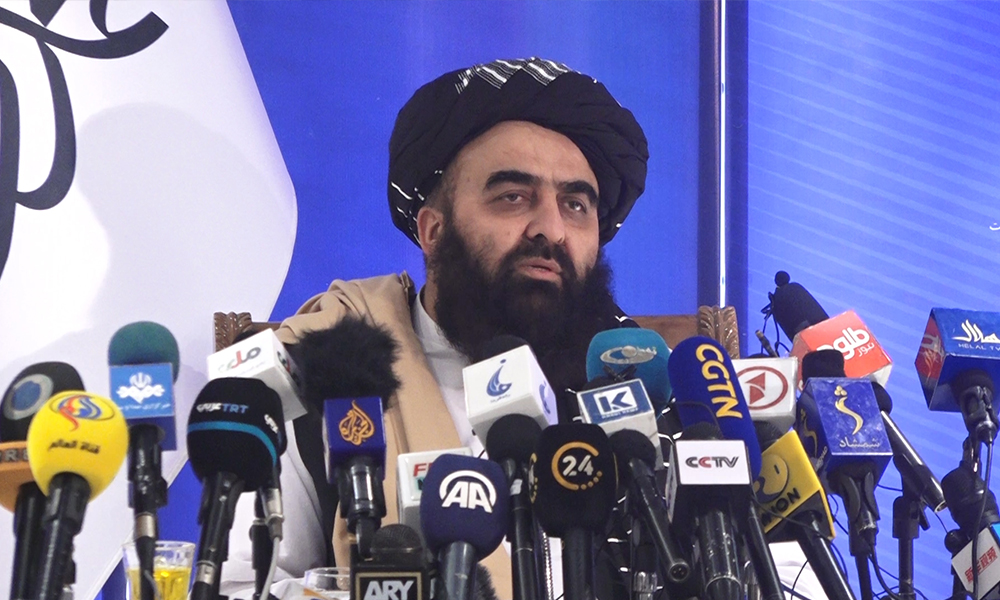
Afghanistan’s new acting Foreign Minister Mawlawi Amir Khan Muttaqi has called for sanctions to be lifted against the Islamic Emirate and said urgent global help is needed to help deal with the “major humanitarian crisis” currently gripping the country.
A group of Afghan pilots are expected to be transferred to a US military base from Uzbekistan this weekend, under a new agreement between the US and Uzbek governments, The Wall Street Journal reports citing people familiar with the matter.
Following the Taliban’s recent rise to power in Afghanistan, articles in the Arab press, especially the Saudi and Emirati press, claimed that the Taliban shares many similarities with other extremist organizations in the Arab and Muslim world, including Al-Qaeda, ISIS, the Muslim Brotherhood (MB), Hamas and Hizbullah. The articles claimed that the MB’s ideology, shaped by its ideologue Sayyid Qutb and its founder Hassan Al-Banna, which involves directing accusations of heresy against all Muslims who are not MB members, gave rise to the ideologies of other extremist Islamist organizations that emerged in later periods. This includes Al-Qaeda, whose leaders Osama Bin Laden and Ayman Al-Zawahiri were influenced by the writings of Sayyid Qutb.
No one in the Iranian government was sad to see U.S. and NATO troops leave Afghanistan. In fact, Tehran would prefer to have the Taliban next-door than often-hostile Western powers. But Shiite-majority Iran has also been a target of attacks in the past from the Sunni Islamist Taliban, and it worries that if Afghanistan descends into chaos, it could negatively affect Iran’s ability to exert influence and trade with its neighbor—or worse, that the volatility could spill over into Iran. Tehran will have to pull off a delicate balancing act if it’s to benefit from the U.S. and NATO withdrawal.
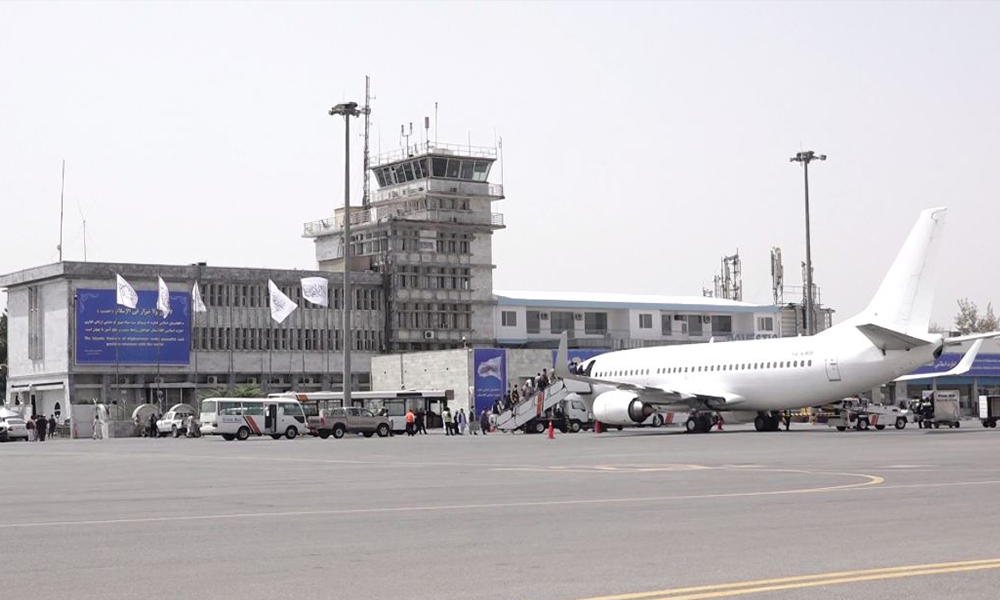
Kabul International Airport will be fully operational for domestic and international flights in the next two days, officials said.
Mawlawi Abdul Hadi Hamdan, head of Kabul airport, stated that domestic flights have already resumed and that technical efforts are being made to resume all international flights.
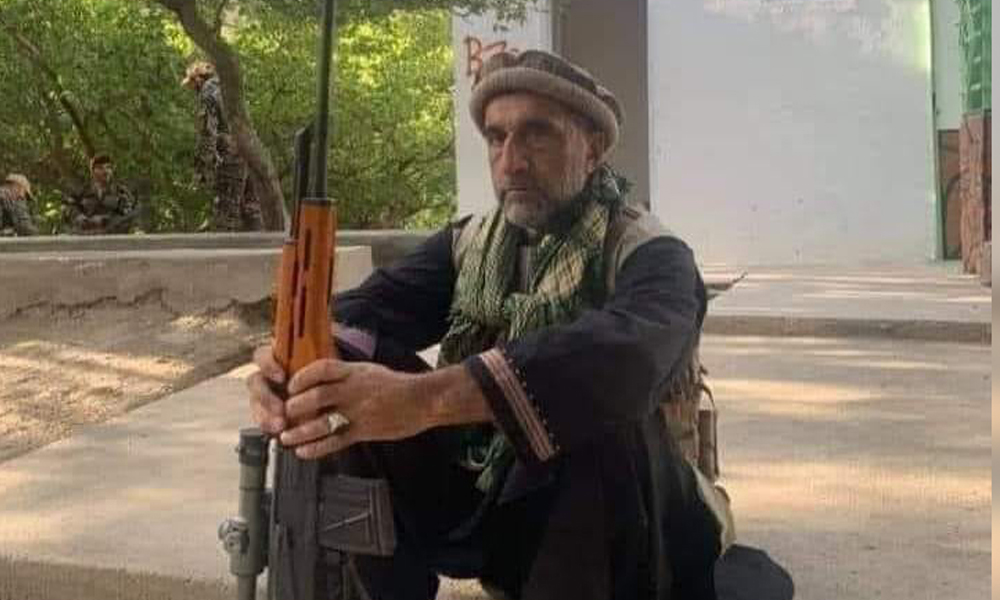
The brother of Amrullah Saleh, the former Afghan vice president who became one of the leaders of an opposition force in the Panjshir valley, has allegedly been “executed” by Islamic Emirate of Afghanistan forces, his nephew said on Friday.
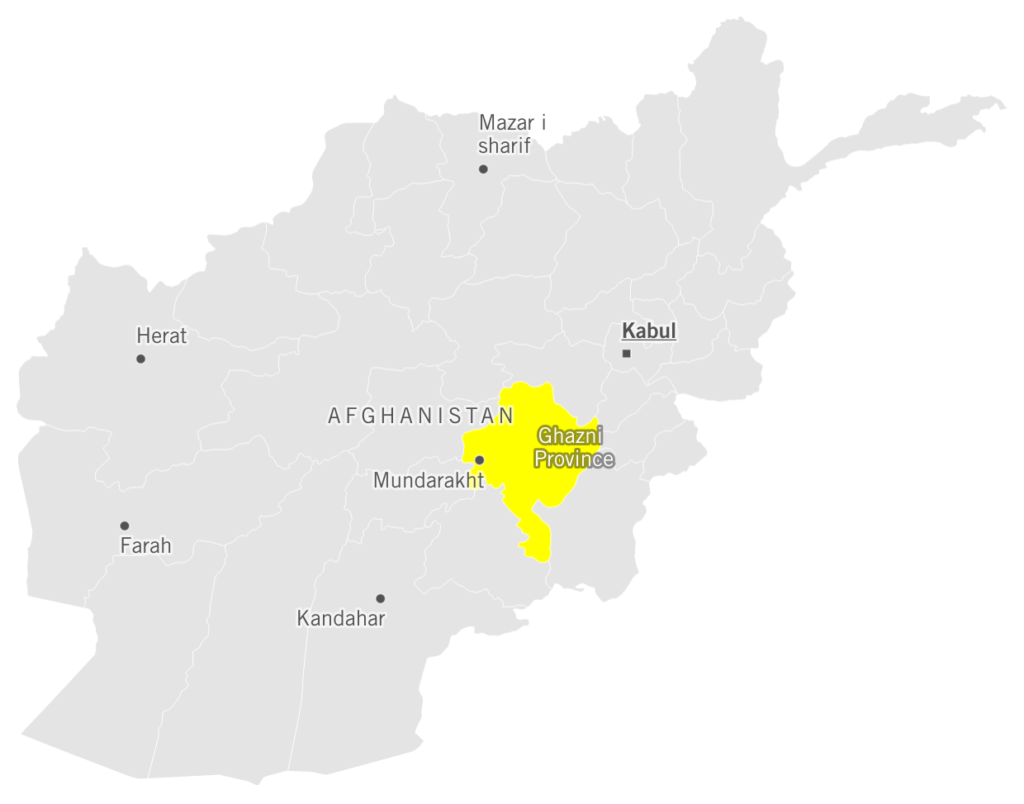
Taliban fighters massacred nine ethnic Hazara men after taking control of Afghanistan’s Ghazni province last month, Amnesty International said today.
On-the-ground researchers spoke to eyewitnesses who gave harrowing accounts of the killings, which took place between 4-6 July in the village of Mundarakht, Malistan district. Six of the men were shot and three were tortured to death, including one man who was strangled with his own scarf and had his arm muscles sliced off.
The dramatic siege of Afghanistan by the Taliban has posed serious questions about the stability, security, geostrategy, and geopolitics of the Central Asia Republics (CARs). A recent UN report highlights the presence of over 10,000 foreign fighters from the neighbouring countries of Central Asia, Pakistan, and the Xinjiang Uyghur Autonomous Region (XUAR) of China in Afghanistan, most of whom are in the ranks of the Taliban, al-Qaeda, and the Islamic State in the Khorasan Province (ISKP). In addition, the presence of Central Asian terrorist groups like the Islamic Movement of Uzbekistan (IMU), Islamic Jihad Union (IJU), Jamaat Ansarullah, and others in Afghanistan have heightened the fears of the current turmoil in Afghanistan spilling over into the CARs.
Pashtun practices include circumcision on the eighth day and refraining from mixing meat and milk — Is there a connection to ancient Hebrews?
With the fall of Kabul into the hands of the Taliban just shy of the 20th anniversary of the September 11 attacks, the world’s attention has once again turned to Afghanistan.
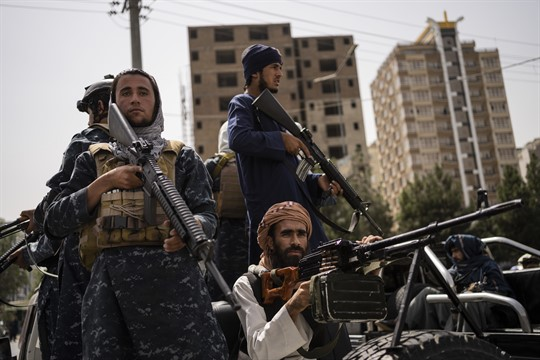
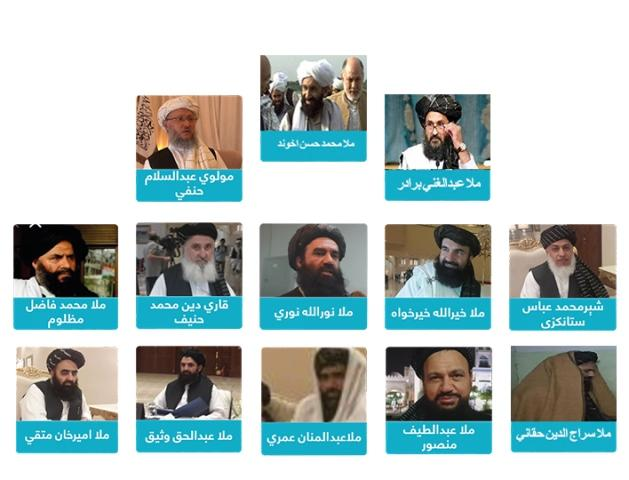
The Taliban announced their caretaker cabinet 24 days after taking control of Kabul, but more than half of the cabinet members are on the UN sanction’s list.
The Taliban seized capital Kabul on August 15 hours before President Ghani fled the country and they are now in full control of the whole country.
The Taliban had said that they would form an inclusive government which would be acceptable to all Afghans and the international community. However, the group on Tuesday announced a temporary cabinet to fill the governance vacuum.