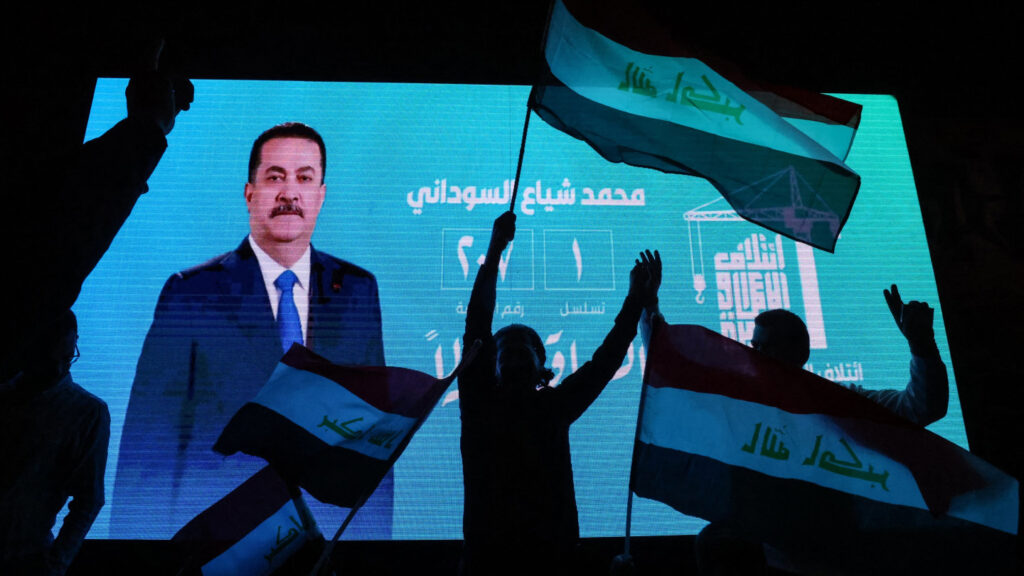
Iraq’s parliamentary election on 11 November went smoothly from a procedural perspective but left a fragmented political landscape in its wake.
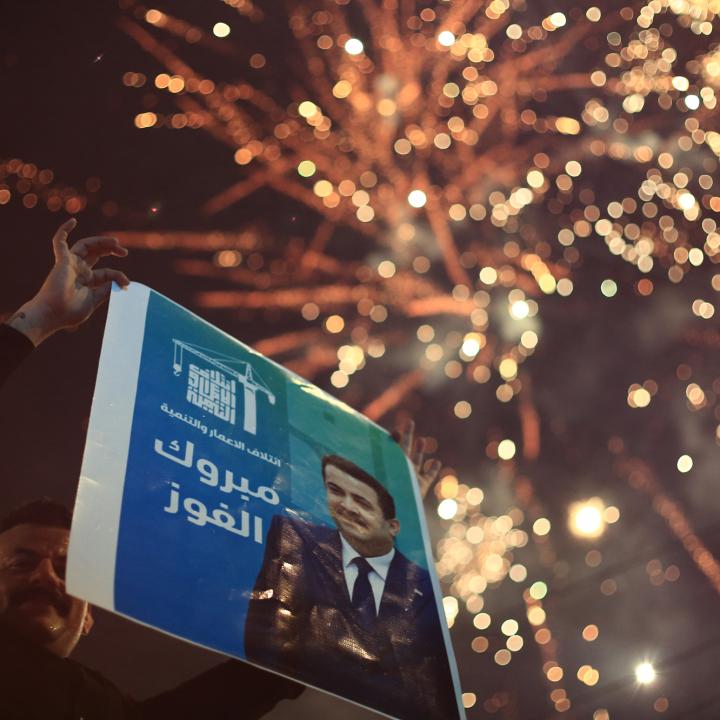
While incumbent Prime Minister Mohammed Shia’ al-Sudani topped the poll on the back of a populist campaign of public sector spending, no one party is close to securing a majority.
Al Jazeera’s leadership shake-up has been in the headlines. Will its new executives direct the Qatari state-funded media arm to cease its cozy relationship with Hamas? Allegations have been swirling that the royal family’s soft power news outlet is not merely reporting what Hamas says but is actively collaborating with the terrorist organization.
Sudani did very well at the ballot box, but the peculiarities of Iraq’s long government formation process and the final distribution of parliamentary seats may leave the main Iran-backed coalition in the driver’s seat.
At first blush, the results of Iraq’s November 11 parliamentary election were encouraging, including for U.S. relations. Despite a boycott by Muqtada al-Sadr’s influential movement, participation rose to 55%, up 12 points from 2021’s low of 43%. Still, the faction that came in first—the Reconstruction and Development Coalition led by incumbent Prime Minister Mohammed Shia al-Sudani—received only 15% of the seats in parliament (46 out of 329). As such, Iraq will likely experience a long, tedious period of political wrangling before a new government is seated, similar to previous post-election delays (eight months in 2010, eleven months in 2021–22).
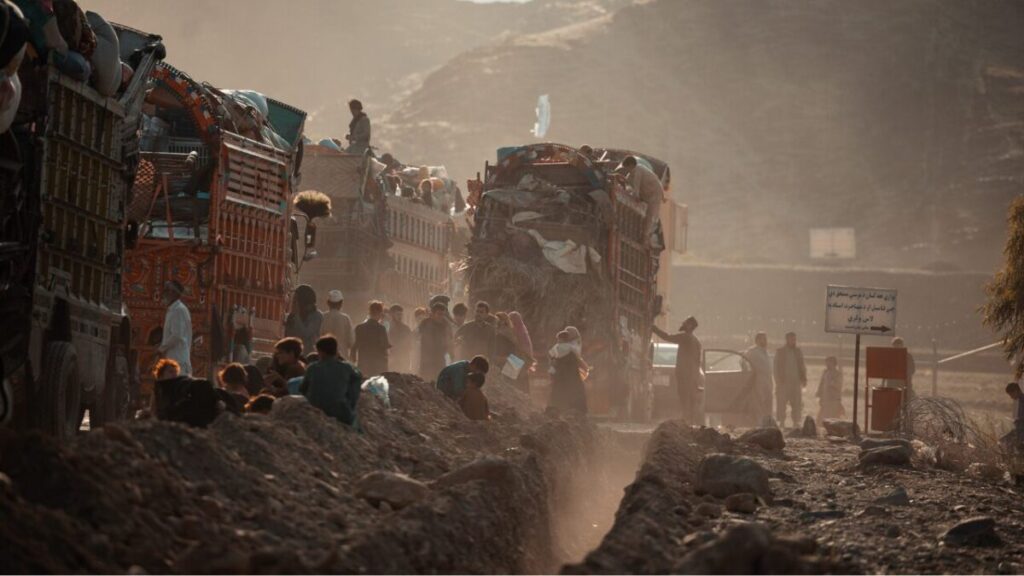
The Taliban’s Commission for Refugees said on Monday that more than 7,700 Afghan migrants were deported from Pakistan the previous day, as Islamabad continues a sweeping crackdown on undocumented foreigners. An additional 246 individuals were expelled from Iran on the same day, the commission said.
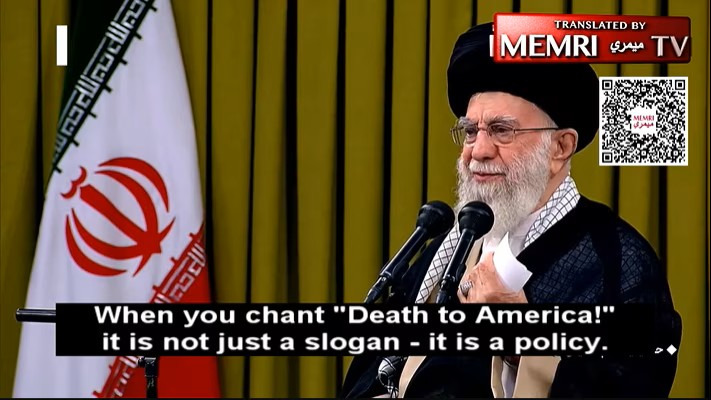
Since its inception, the current Iranian regime has not been built on peace, but on the sword. The revolutionary slogans of the regime are not about coexistence or mutual respect; they are about domination, erasing enemies, and building an empire under the flag of the Supreme Leader. The regime has never sought to win influence by persuasion or diplomacy, but through nuclear weapons, ballistic missiles, and global assassinations. Pictured: Iran’s Supreme Guide Ali Khamenei gives a speech on November 1, 2023, televised on Iran’s Channel 1. (Image source: MEMRI)
The Iraqi Army is intensifying its campaign against the so-called Islamic State, driving on towards the main prize, the second city of Mosul.
The campaign was given a boost this week when US Defense Secretary Ash Carter announced the deployment of 560 more American troops, to add to 4,000-plus already there.
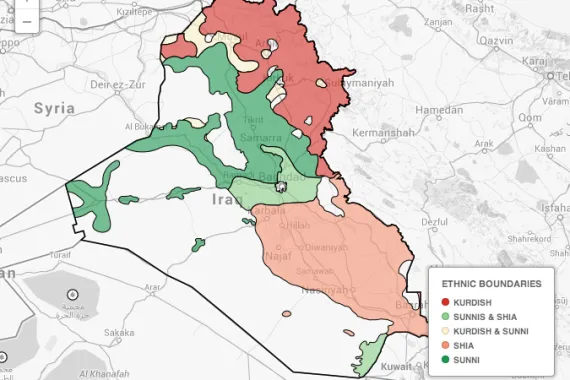
A synopsis of the various fighters in Iraq grouped by religion, culture, region, and political agendas.
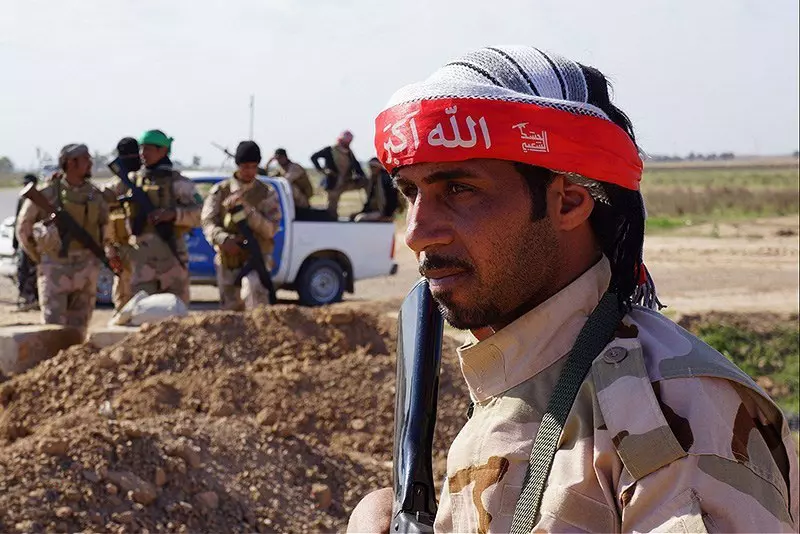
Following the US military’s withdrawal from Iraq at the end of 2011, Sunni and Shia militias changed course: Some joined the political process, while others went through a period of inactivity. The ongoing conflict in Syria, however, has given a new lease on life to many of those groups.
Israel wants ‘Gaza gangs’ to manage post-war securty and reconstruction
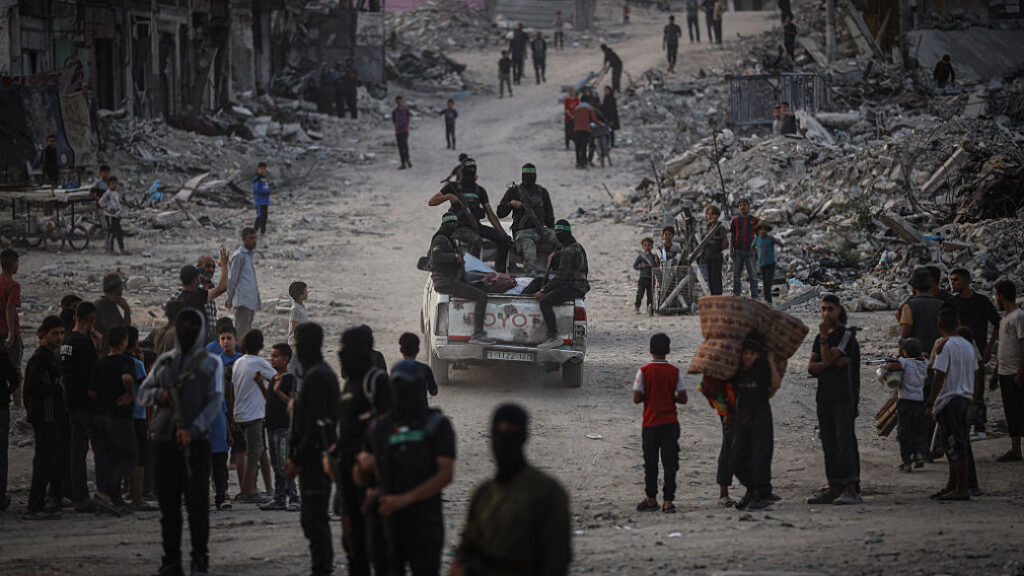
Israel is making plans for ‘Gaza gangs’, who oppose Hamas, to lead post-war reconstruction and security efforts.
Israel is seeking to grant powers to “gangs” in Gaza accused of looting aid and other criminal activities to dominate post-war policing and reconstruction in the enclave.
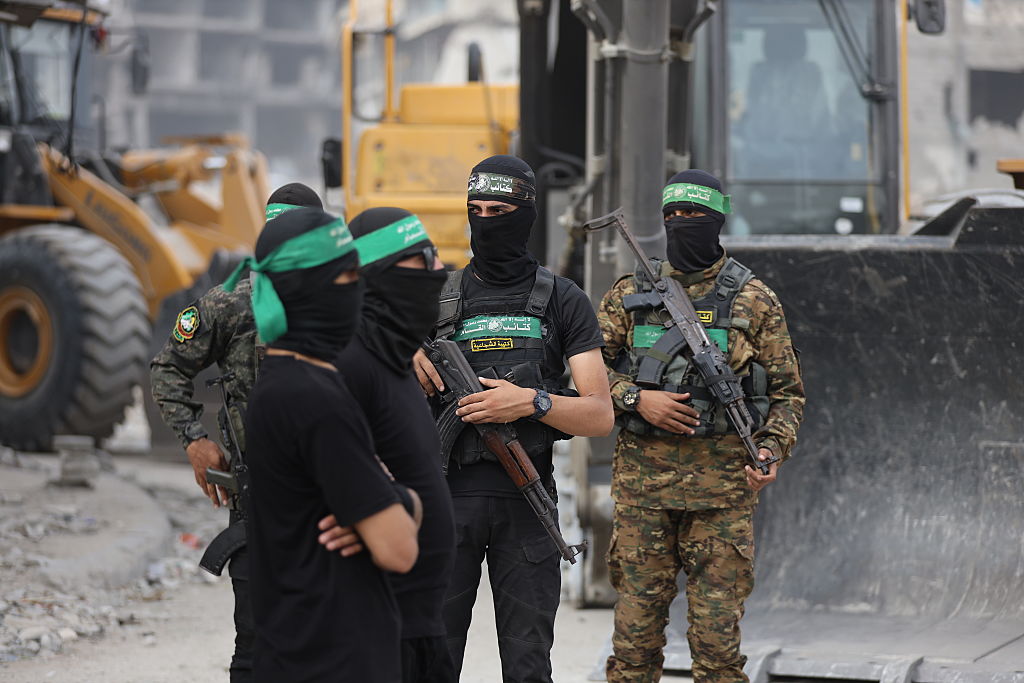
On October 14, four days after Israel and Hamas agreed to phase one of US President Donald Trump’s 20-Point Ceasefire Plan for Gaza, Trump addressed the Israeli Knesset. “After so many years of unceasing war and endless danger, today the skies are calm, the guns are silent, the sirens are still, and the sun rises on a Holy Land that is finally at peace,” Trump stated. However, a month after the implementation of the first phase of the ceasefire, which laid out clear guidelines for the cessation of hostilities and the return of Israeli hostages, Hamas and allied terror groups have violated the agreement at least 18 times, the Israel Defense Forces (IDF) claims.
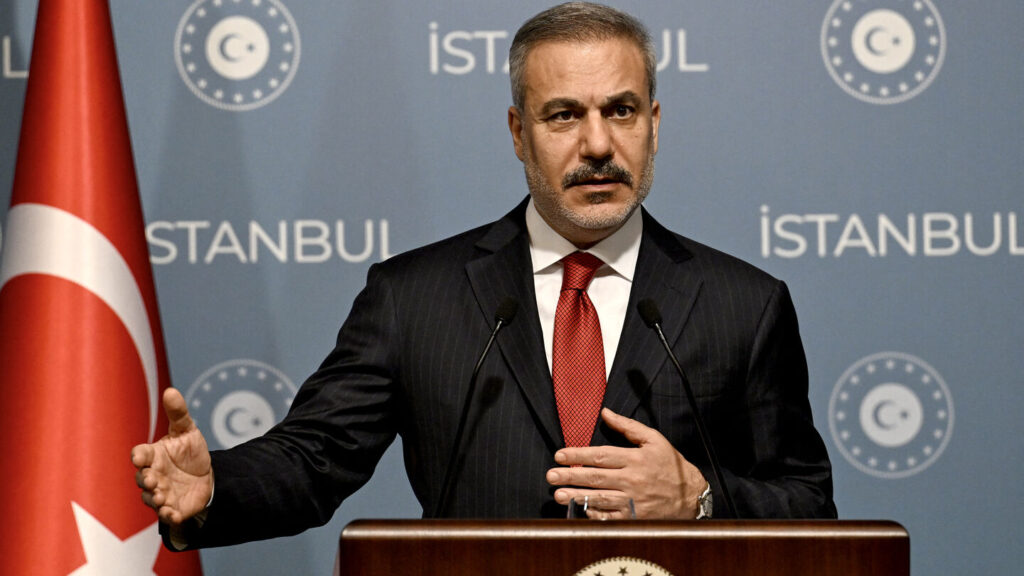
Turkish Foreign Minister Hakan Fidan gestures as he speaks during a press conference after a meeting with his counterparts from Saudi Arabia, Qatar, the United Arab Emirates, Jordan, Pakistan and Indonesia in Istanbul on November 3, 2025. Turkey on November 3, 2025, hosts a string of top diplomats from the Islamic world to bring their influence to bear on the future of Gaza, as fears grow for the increasingly fragile truce. The October 10 ceasefire in the two-year-long Israel-Hamas war, brokered by US President Donald Trump, has been sorely tested by continued Israeli strikes and claims of Palestinian attacks on Israeli soldiers. (Photo by Ozan KOSE / AFP) (Photo by OZAN KOSE/AFP via Getty Images)