Security Deal With Israel Is Likely, Syrian President Says

Latest Developments

  • Talks in ‘Advanced’ Stage: Interim Syrian President Ahmed al-Sharaa told representatives of Arab media outlets that Syria and Israel are in “advanced” talks on a security pact based on the 1974 Disengagement of Forces Agreement, adding that the chances that a deal will be reached are high. Sharaa emphasized that he did not believe it was the right time for a peace deal between the two neighboring states, which have technically been at war since 1948, but added that he “will not hesitate to take” any agreement that benefits Syria.
  • Syria to Provide Security Guarantees for Economic Investment: Details of the deal have been discussed during at least two U.S.-mediated meetings between Israeli Strategic Affairs Minister Ron Dermer and Syrian Foreign Minister Assad al-Shaibani in July and August. Based on reports of the deal taking shape, Syria would agree to a complete demilitarization of the Syrian side of the Golan Heights, prevent the entry of any weapons or terrorists that could threaten Israel’s security, and establish a humanitarian corridor to the predominantly Druze Suwayda region. In return, Syria will be rehabilitated by the United States and allied Gulf states after having suffered economically during more than a decade of civil war.
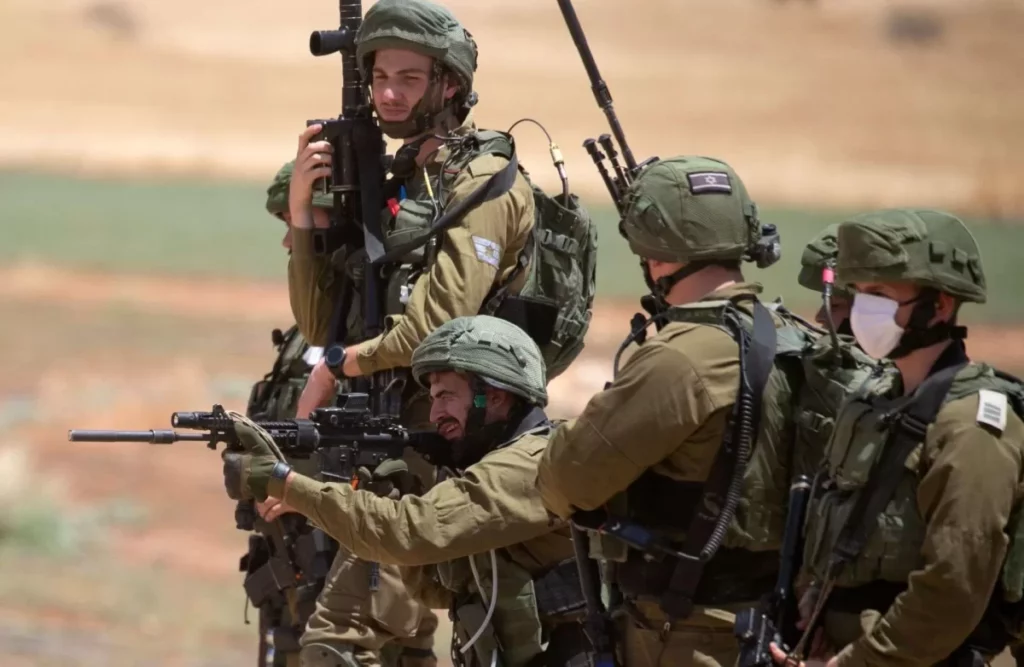
  • Syria Aims to Stop Continued IDF Operations: Damascus is also pushing to restore the disengagement line established after the October 1973 war as part of the deal. After Sharaa’s Islamist forces overthrew the regime of former President Bashar al-Assad in December, the IDF took control of the Syrian side of the UN-patrolled buffer zone. Since then, Israel has conducted raids against terrorist cells in southern Syria, as well as airstrikes to protect the Syrian Druze minority against attack by pro-government forces.

Israel has already started erasing Gaza City, amid continued international silence

Palestinian Territory – Israel has begun executing its unlawful plan to destroy and occupy Gaza City. The army is carrying out simultaneous bombing and demolition operations across the south, east, and north, advancing from three axes towards the city’s centre in a campaign of comprehensive destruction and systematic erasure. This escalation marks a new phase of the genocide against Palestinians in the Gaza Strip, ongoing for 23 months.

Tirana stands in solidarity with Palestine – K2.0

Protestors called for an end to the atrocities and genocide in Gaza.

As global outrage toward the state of Israel grows over the escalating humanitarian crisis and atrocities against Palestinians, several hundred citizens gathered last night in Skënderbeg Square in Tirana to express solidarity with the Palestinian people and to demand an end to the genocide in Gaza.

United Nations body declares famine in Gaza

The UN food insecurity monitor declared, ‘Over half a million people in the Gaza Strip are facing catastrophic conditions’

A United Nations body has declared a famine in Gaza as Israel’s genocidal assault intensifies.

Israel has been starving millions of Palestinians for months. On Friday the Integrated Food Phase Classification (IPC), the UN’s food insecurity monitor, said, “Over half a million people in the Gaza Strip are facing catastrophic conditions, characterised by starvation, destitution and death.”

Iraqi Militias Come Under Pressure to Demobilize

Bottom Line Up Front

  • Amid major setbacks for Iran and its Axis of Resistance, Iraq’s political leaders are trying to gain firm control over militias that are duly constituted forces but act outside the national chain of command.
  • An armed clash at a government building between security forces and militia commanders in late July reflected their pushback against efforts to constrain their autonomy.
  • Clashes and other forms of competition involving the militias will likely expand and intensify as the November 11 national elections approach.
  • The outcome of Iraq’s debate over the militias might shape whether the country can integrate more closely into the Arab world and reduce Iranian influence in the country.

Turkey’s Neo-Ottoman Moment

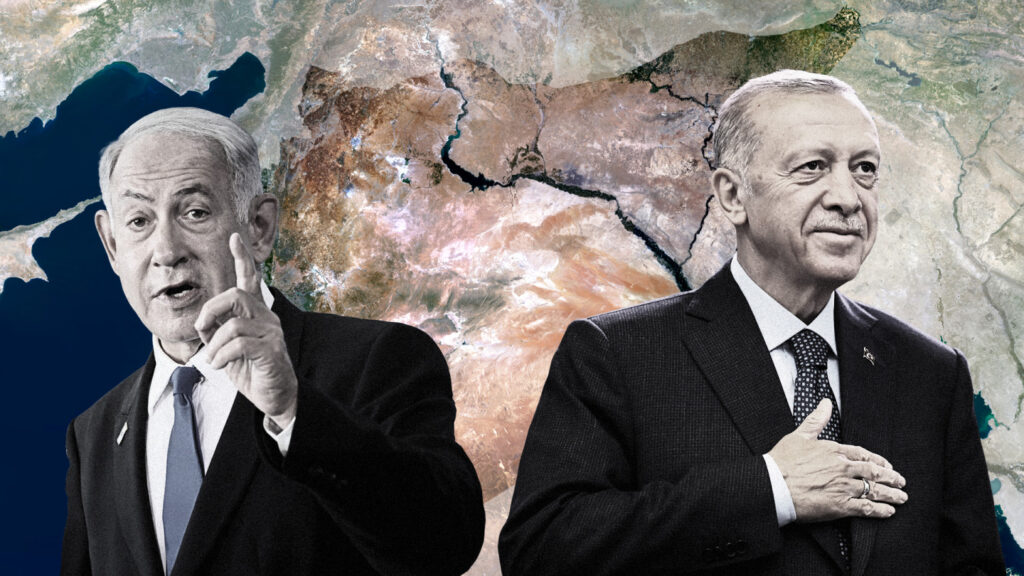
Turkey’s Syria policy didn’t materialize in a vacuum. Rather, it was a reaction to the Arab uprisings that began in January 2011, known as the Arab Spring, which Turkish policymakers interpreted as a providential opportunity.

‘Straight off Iranian production lines’

Back in 2023, reports began to surface that Iran was sending weapons to Russia across the Caspian Sea for use in the war against Ukraine. Both Tehran and Moscow have continued to deny these claims, with Russian Foreign Minister Sergey Lavrov dismissing them as “invented falsehoods.” Yet transport data obtained by the Center for Advanced Defense Studies (C4ADS) and analyzed by Meduza indicates that Iran may have supplied Russia with more than 4,000 metric tons of ammunition in a single month last year. Meduza shares evidence that Moscow is, in fact, buying weapons from Iran.

Tehran’s Homeland Option: Terror Pathways for Iran to Strike in the United States

Abstract: The 12-day Iran war may be over, but the threat of Iranian reprisal attacks now looms large, and will for the foreseeable future. European authorities exposed plots in Sweden and Germany even as the war was being waged, and Israeli authorities issued a warning over potential attacks in the United Arab Emirates a couple of weeks later, specifically citing heightened concerns in the wake of the war with Iran. Iranian operatives or their agents could also attempt to carry out attacks inside the United States, leveraging what U.S. counterterrorism officials have describe as a “homeland option” developed over years. Given the U.S. role in bombing the Fordow nuclear complex, it should not be a surprise that U.S. authorities quickly issued a terrorism advisory warning of potential Iranian plots in the homeland. Drawing on past cases of Iranian plots in the United States and elsewhere, this article explores the primary pathways available to Iran conduct or enable a terrorism act in the United States. These include deploying Iranian agents, criminal surrogates, terrorist proxies, or actively seeking to inspire lone offenders to carry out attacks within the homeland.