This report is the third in a series about the 19th-century antisemitic libel The Protocols of the Elders of Zion and its dissemination, circulation, and use, in Urdu, Turkish, Farsi, and Arabic.
Since the scandal related to allegations of bribery and corruption among a group of MEPs in Brussels broke out four months ago, European media zeroed in on a relatively small cast of ringleaders and the NGOs surrounding them. Much of the media investigation has focused on human rights NGOs and the misuse of nepotistic political influence among the core group of politicos and their assorted aides and associates on key issues ranging from human rights to airway deals to cryptocurrency and tech innovation. The rumor mill is swirling round and round. The dubious deals with Qatar Airlines were recommended by the European Commission – the real power in the EU – despite the scandal of a key European stakeholder receiving free trips during the negotiations. The inconclusive debate over transparency rules and anti-corruption measures continues, but many argue such changes would unlikely to curtail the impact of lobbying by foreign powers.
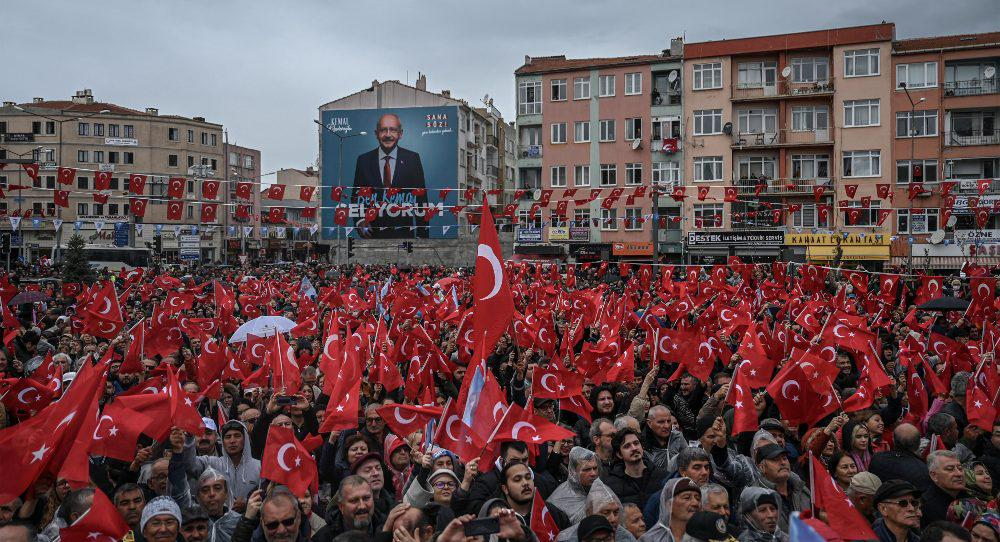
For the first time in twenty years, a change of leadership in Turkey is possible. The EU must be prepared for the foreign policy shift an opposition victory would bring.
Whether in the first round on May 14 or the second on May 28, Turkey’s presidential election will ultimately be fought between the incumbent president, Recep Tayyip Erdoğan, and opposition leader Kemal Kılıçdaroğlu.
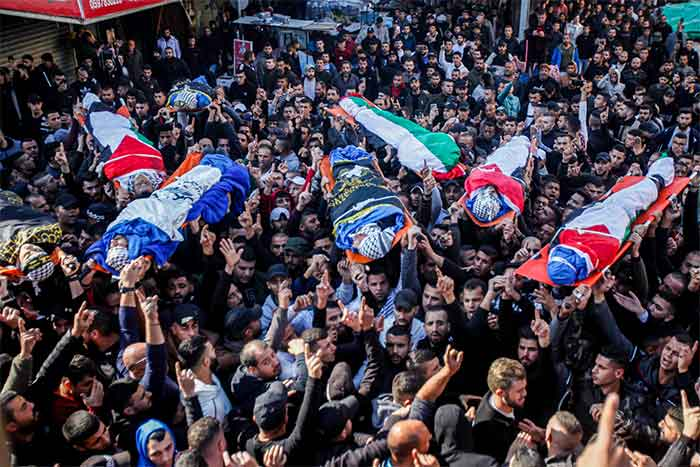
As Russian troops continue their assault on Ukraine, Western countries persist in invoking international law, imposing crippling sanctions against Russian leaders and entities while publicly supporting Ukrainian armed resistance and opening their borders with open arms to refugees. However, we see such support utterly absent for people enduring Israel’s illegal occupation of the West Bank and East Jerusalem as well as its blockade of Gaza. Why is there such blatant double standards in the mainstream support for people resisting apartheid colonial oppression and ongoing aggression? It’s very frustrating and infuriating for Palestinians as they have been constantly criminalized and told that they don’t have the right to resist and labelled as both terrorists and anti-semitic whenever they ask for their rights. Undoubtedly, it is such a glaring contradiction to many observers when evaluating these sorts of hypocrisies and double standards. Israeli occupation amounts to ethnic cleansing and racial discrimination as recognized by human rights organizations. In addition to attacks on religious sanctity and complete lack of respect for international law, we find no one holding Israel responsible for behaving as a state above the law.
The Biden Administration has created a vacuum of leadership on the global stage.
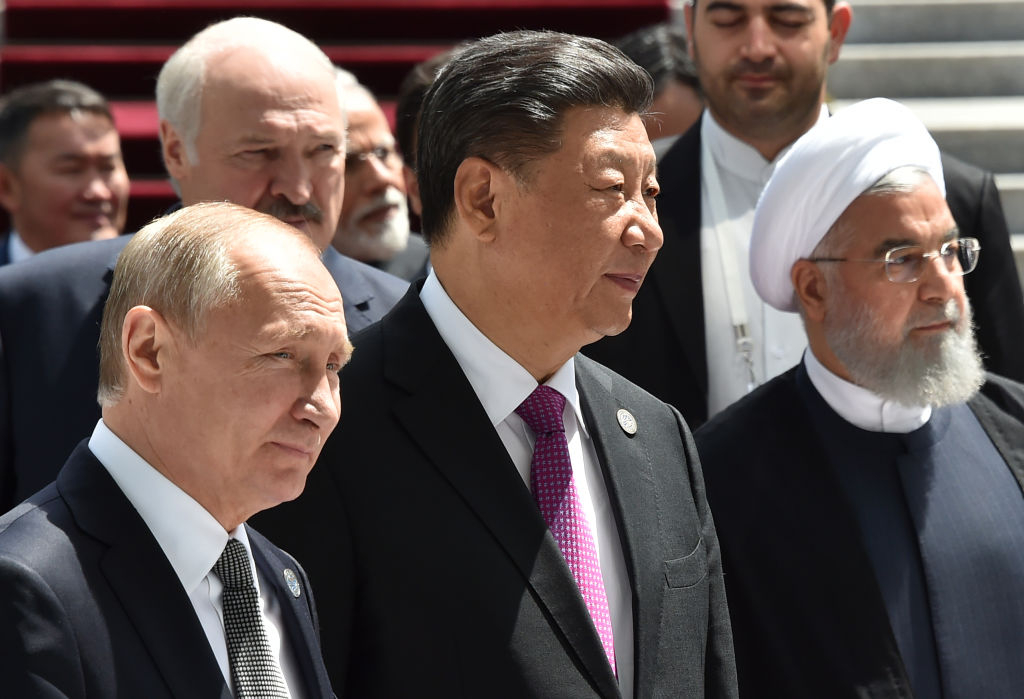
If the US further pulls out of Asia, the Indo-Pacific, the Middle East, Ukraine, Latin America — anywhere — the vacuum created will surely be filled by the new axis of China-Russia-Iran. A US pull-out is, most probably, just what they are hoping and waiting for.
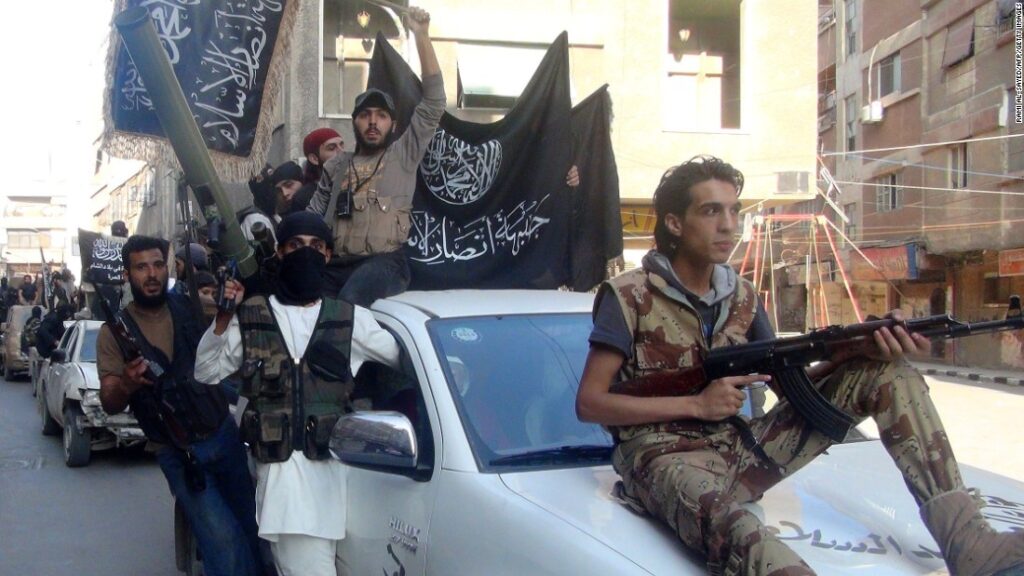
By declaring the end of SykesPicot, the Islamic State was positioning itself as a force that was reuniting the region under the banner of Islam—symbolism that could resonate with many across the Arab world.
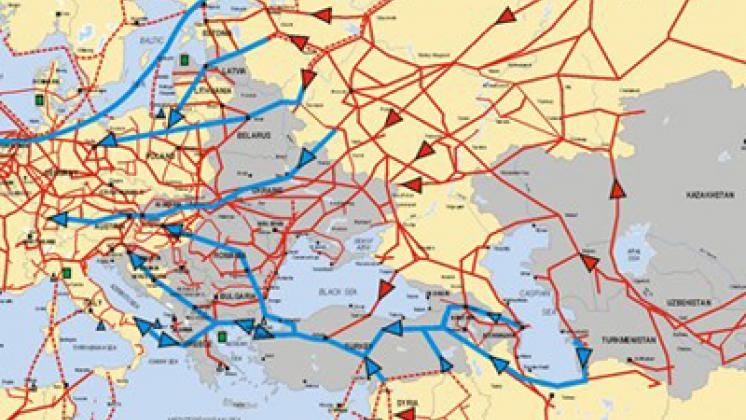
Importance of Turkish Stream for the Turkish Fuel and Energy Complex
The decision of the Russian Federation to abandon the South Stream project and reorient itself to supplying natural gas to European consumers through Turkey (the so-called Turkish Stream) was truly epoch-making in terms of geopolitics and geostrategy and recognized by international experts as Ankara’s energy foreign policy breakthrough in 2014 [9]. Nevertheless, the international aspect of this issue has left in the shadow of the Turkish national interest itself, and not so much geostrategic and / or geostrategic, but economic: for all its independence, politics is a concentrated expression of the economy, moreover, national.
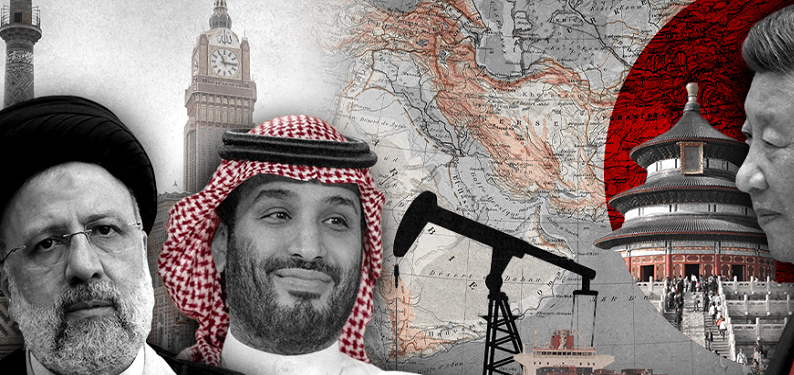
Les récentes réconciliations de l’Arabie saoudite avec l’Iran et la Syrie sous l’égide de la Chine et de la Russie sont perçues comme une étape vers la réduction de la dépendance de Riyad à l’égard des États-Unis, tout en faisant progresser l’influence politique et économique de Pékin et de Moscou en Asie occidentale.
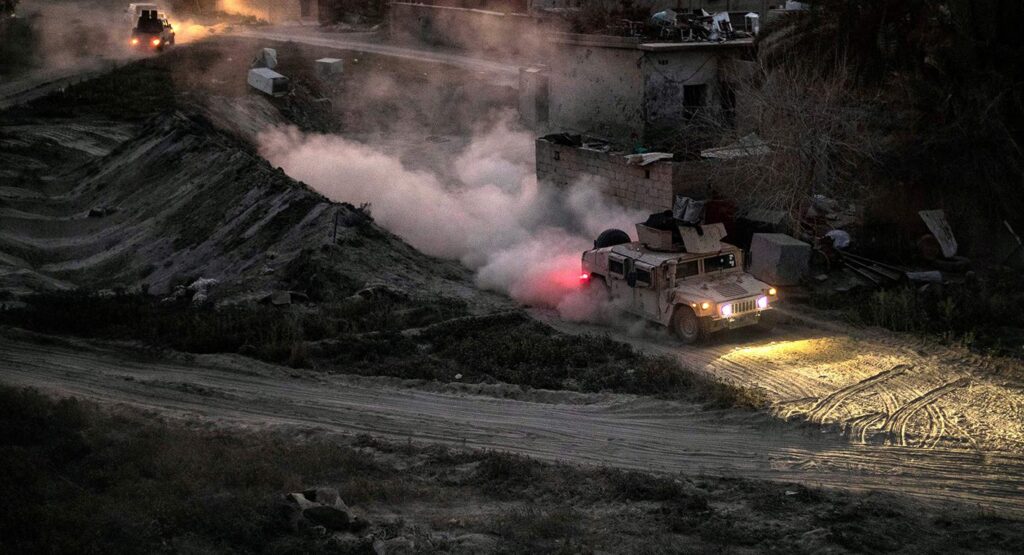
US forces illegally occupying Syria’s northeast remain targets for Syrian forces
Six US soldiers have been diagnosed with traumatic brain injuries as a result of attacks from Iran-backed groups in Syria last week, CNN reported on 30 March, in addition to the five soldiers initially reported as injured.
Israeli involvement in the Syrian war on the side of the extremist opposition has been documented thoroughly over the years
In a statement on 31 March condemning Israel’s airstrikes on Damascus, the Syrian Foreign Ministry said that Israel’s continuous attacks against the country are indicative of their close level of coordination with extremist militants.