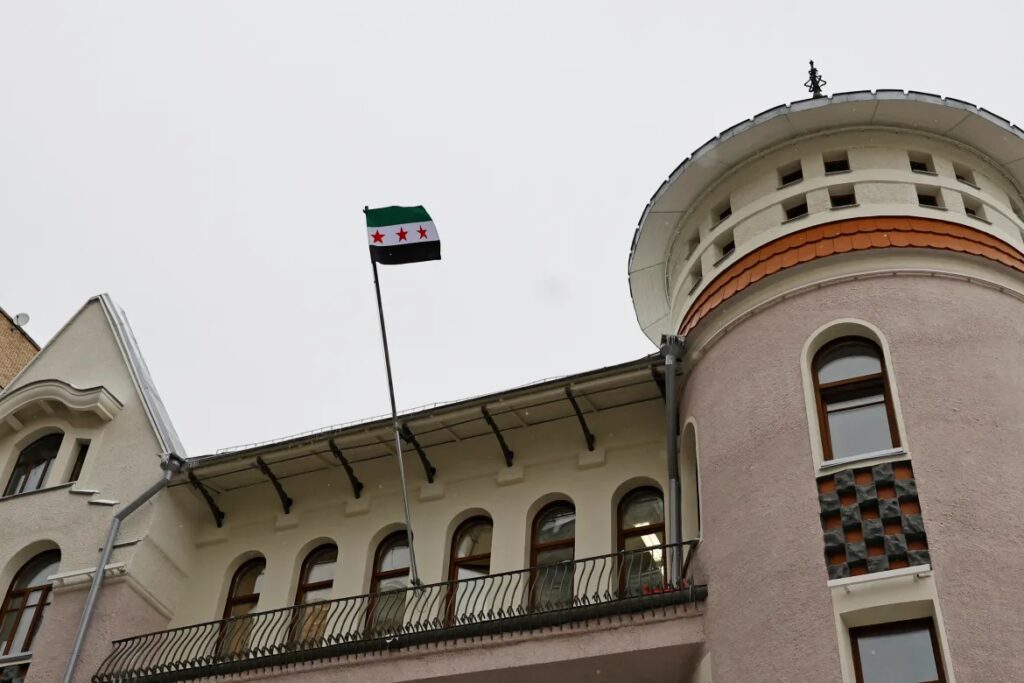
Iran has opened a direct line of communication with rebels in Syria’s new leadership since its ally Bashar al-Assad was ousted, in an attempt to “prevent a hostile trajectory” between the countries, a senior Iranian official told Reuters on Monday.
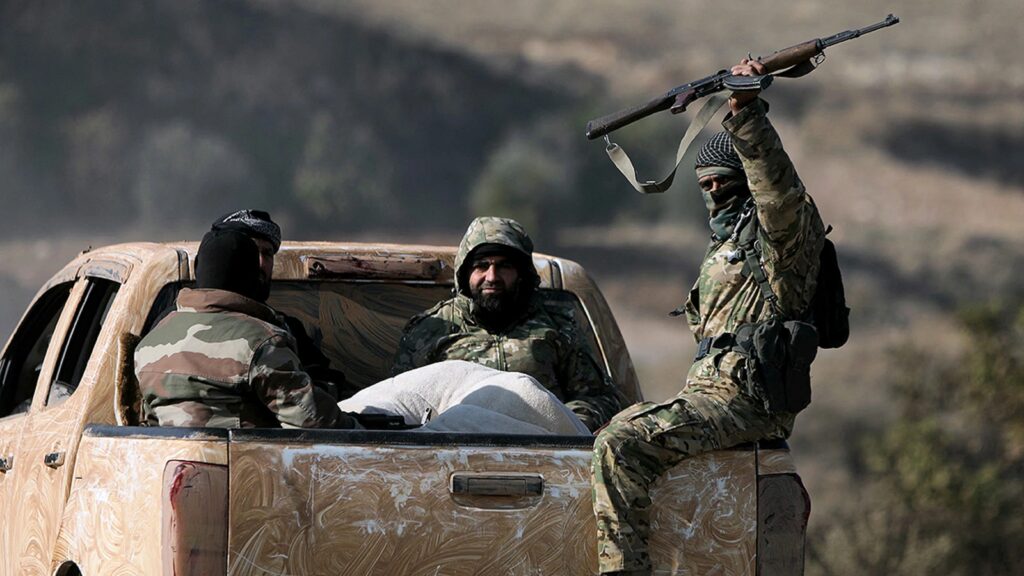
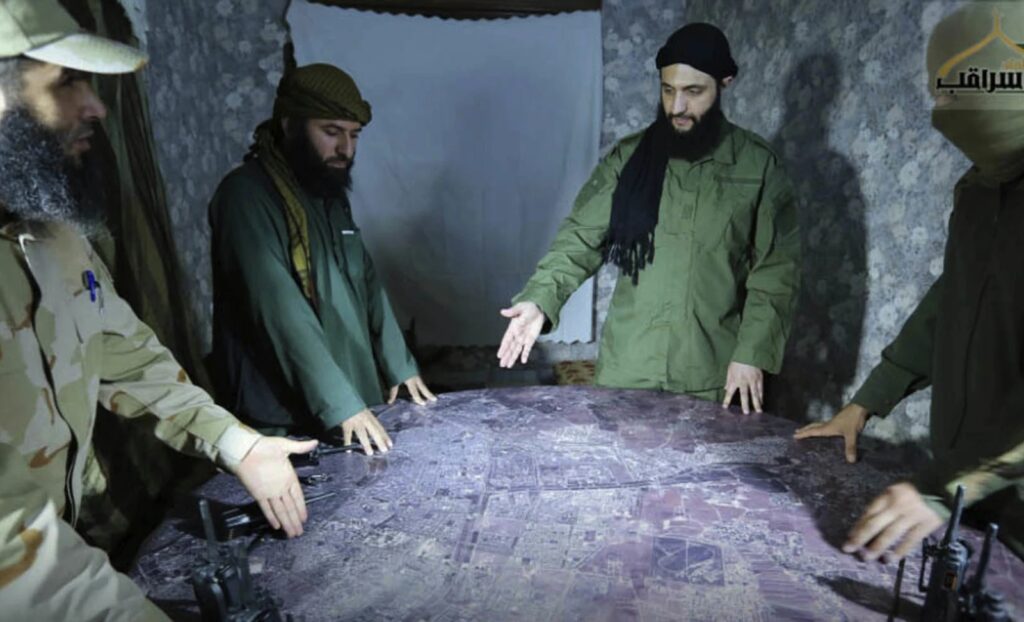
The lightning advance of a militia alliance spearheaded by Hayat Tahrir al-Sham, a former al-Qaeda affiliate, led by Abu Mohammed al-Jawlani, marked one of the biggest turning points for the Middle East in generations.
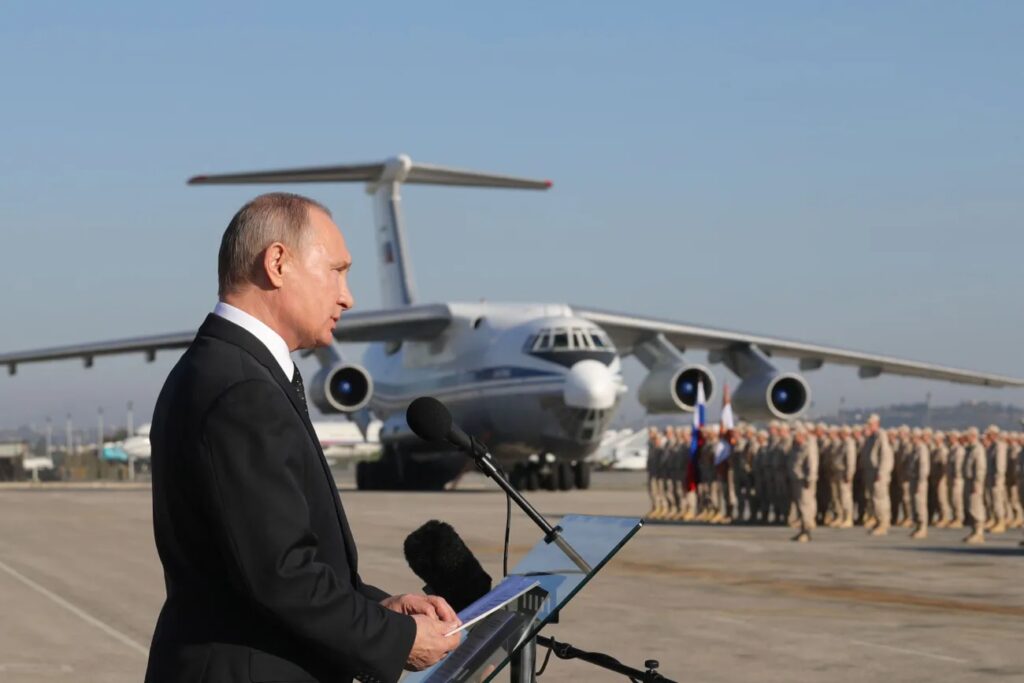
Assad’s fall as president removed a bastion from which Iran and Russia exercised influence across the Arab world.
Hours after Assad’s fall, Iran said it expected relations with Damascus to continue based on the two countries’ “far-sighted and wise approach” and called for the establishment of an inclusive government representing all segments of Syrian society.
There is little doubt about Tehran’s concern about how the change of power in Damascus will affect Iran’s influence in Syria, the lynchpin of its regional clout, Reuters reported.
But there is no panic, three Iranian officials told Reuters, as Tehran seeks diplomatic avenues to establish contact with people whom one of the officials called “those within Syria’s new ruling groups whose views are closer to Iran’s”.
“The main concern for Iran is whether Assad’s successor will push Syria away from Tehran’s orbit,” a second Iranian official said.
“That is a scenario Iran is keen to avoid.”
A hostile post-Assad Syria would deprive Lebanese armed group Hezbollah of its only land supply route and deny Iran its main access to the Mediterranean and the “front line” with Israel.
One of the senior officials said Iran’s clerical rulers, facing the loss of an important ally in Damascus and the return of Donald Trump to the White House in January, were open to engaging with Syria’s new leaders.
“This engagement is key to stabilise ties and avoiding further regional tensions,” the official said.
Contact with new Syrian leadership
Tehran has established contacts with two groups inside the new leadership and the level of interaction will be assessed in the coming days after a meeting at Iran’s Supreme National Security Council, a top security body, the official told Reuters.
Two of the Iranian officials said Tehran was wary of Trump using Assad’s removal as leverage to intensify economic and political pressure on Iran, “either to force concessions or to destabilise the Islamic Republic”.
After pulling the United States out of Iran’s 2015 nuclear deal with six major powers in 2018, then-president Trump pursued a “maximum pressure” policy that led to extreme economic hardship and exacerbated public discontent in Iran.
Trump is staffing his planned administration with hawks on Iran.
In 2020, Trump, as president, ordered a drone strike that killed Qassem Soleimani, Iran’s most powerful military commander and mastermind of overseas attacks on U.S. interests and those of its allies.
“Iran is now only left with two options: fall back and draw a defensive line in Iraq or seek a deal with Trump,” said Ali Vaez of the International Crisis Group.
The fall of Assad exposed Tehran’s dwindling strategic leverage in the region, exacerbated by Israel’s military offensives against Hezbollah in Lebanon and the Palestinian militant group Hamas in Gaza, Reuters reported.
Iran spent billions of dollars propping up Assad during the civil war that erupted in Syria in 2011 and deployed its Revolutionary Guards to Syria to keep its ally in power and maintain Tehran’s “Axis of Resistance” to Israel and U.S. influence in the Middle East.
Assad’s fall removes a critical link in Iran’s regional resistance chain that served as a crucial transit route for Tehran to supply arms and fund its proxies and particularly Hezbollah.