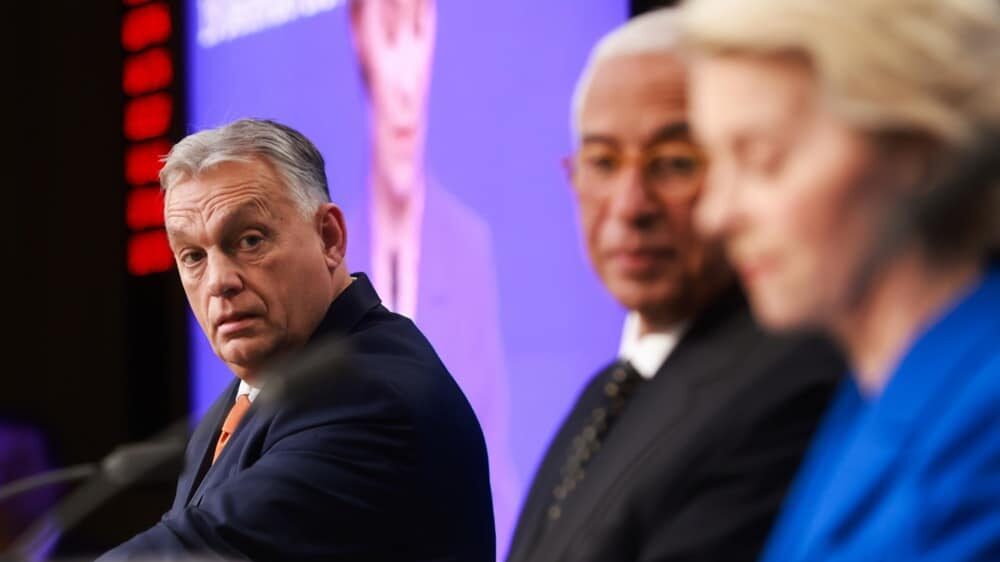
Hungary’s Foreign Policy Crossroads – and Why It Matters for the EU

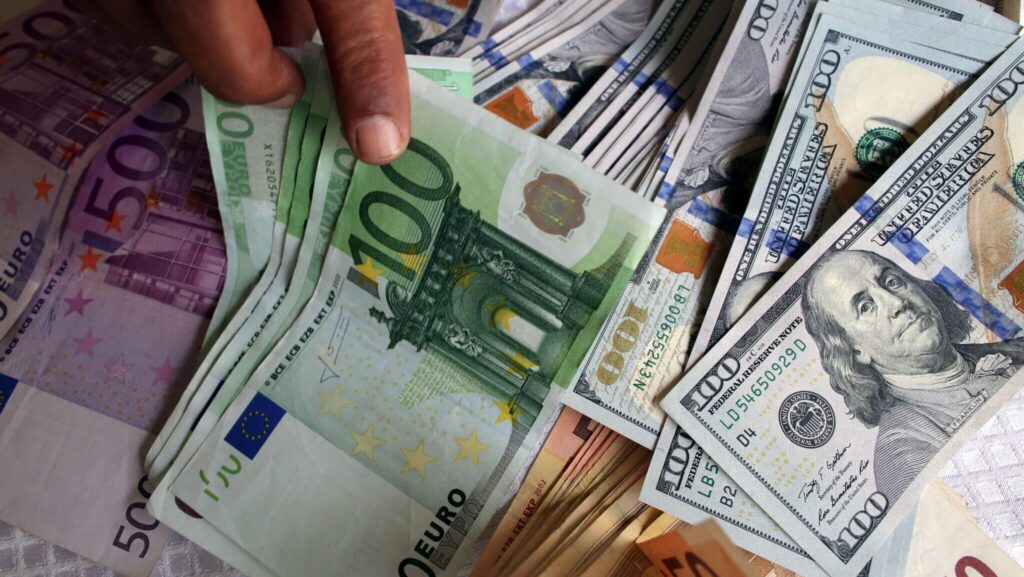
With media outlets in Kosovo and the region increasingly concentrated in the hands of major business moguls, journalists say censorship to protect the owners’ interests has become ‘the norm’.
A six-month investigation, involving over thirty sources, most of whom requested to remain anonymous due to consequences they fear they may face. This journalistic piece reveals that with the expansion of the media market in Kosovo, large businesses are increasingly taking control of journalistic work.
Ethno-nationalism often fuels religious and far-right extremism by crafting a unifying narrative centered on identity, grievances and perceived victimhood.
These narratives are frequently rooted in historical conflicts and territorial disputes. In some cases, these stories escalate into violence.

More and more media in the Balkan region are being acquired and controlled by big tycoons. For journalists and industry experts, this trend is heavily reflected in editorial policies, creating growing problems of censorship and self-censorship
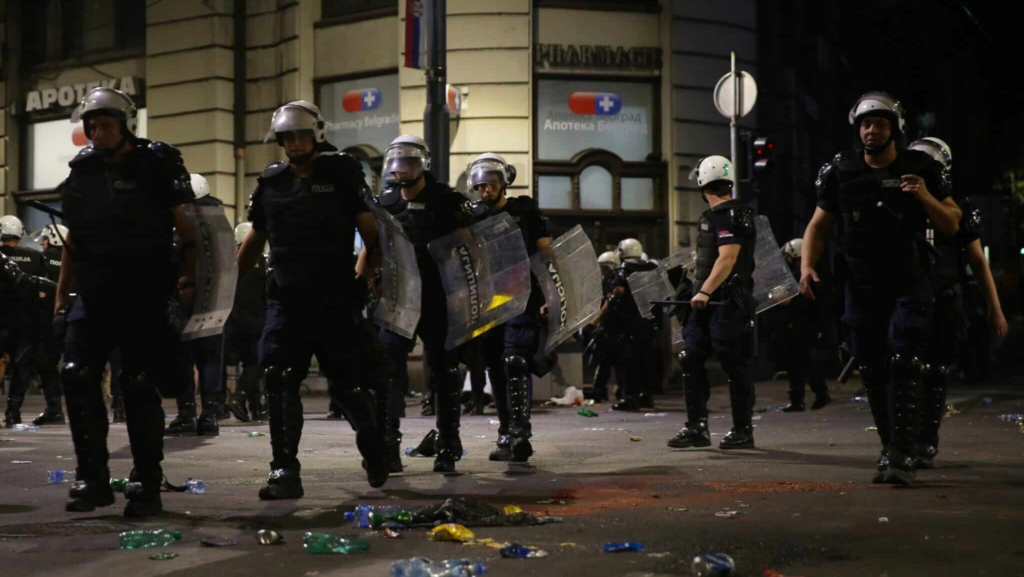
Serbian Interior Minister Ivica Dacic said on Sunday that police arrested 77 people after violence erupted in the wake of a mass protest in central Belgrade – while officials warned that further arrests could be imminent.
Dacic told media that “criminal charges will be filed against 35, and a request to initiate misdemeanour proceedings will be filed against 26 persons”.
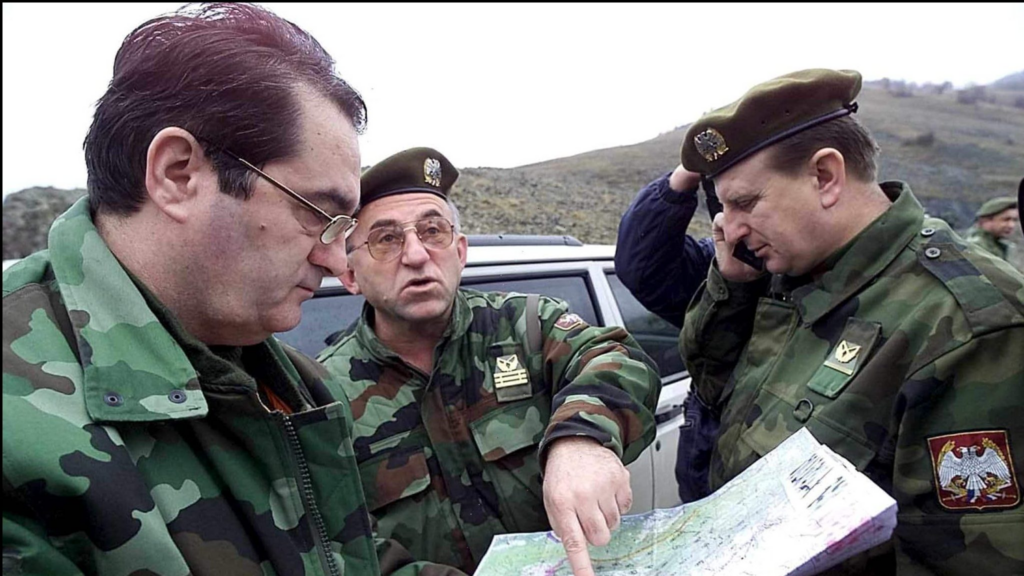
The bodies of the dead men, women and children, including a baby aged seven months, from the Kosovo town of Suva Reka were buried in pits in an army base in Prizren before being secretly transported to a new mass grave in the police compound at Batajnica, near Belgrade.
While the existence of the mass grave at Batajnica was uncovered in the spring of 2001, after the fall of the Milosevic regime, those responsible for the murders and the transportation have never been brought to justice – owing largely to police obstruction.