Marxism and Anarchism
Recently Arun Kumar Sinha posted in Marx_Forum, Murray Bookchin’s pamphlet ‘Listen! Marxist!’ This was published in the ’50s in which he admonished and rebuked the ‘Marxists’ community.
Recently Arun Kumar Sinha posted in Marx_Forum, Murray Bookchin’s pamphlet ‘Listen! Marxist!’ This was published in the ’50s in which he admonished and rebuked the ‘Marxists’ community.

Disasters threaten human civilization
Among the greatest dangers to human civilization are nuclear war and catastrophic climate change, dangers which also threaten the biosphere. In addition to these two existential threats, humans also face the threat of an extremely large-scale famine, involving billions of people, rather than millions. The beginning of this famine, which could involve much of the world’s population by 2050, can already be seen.
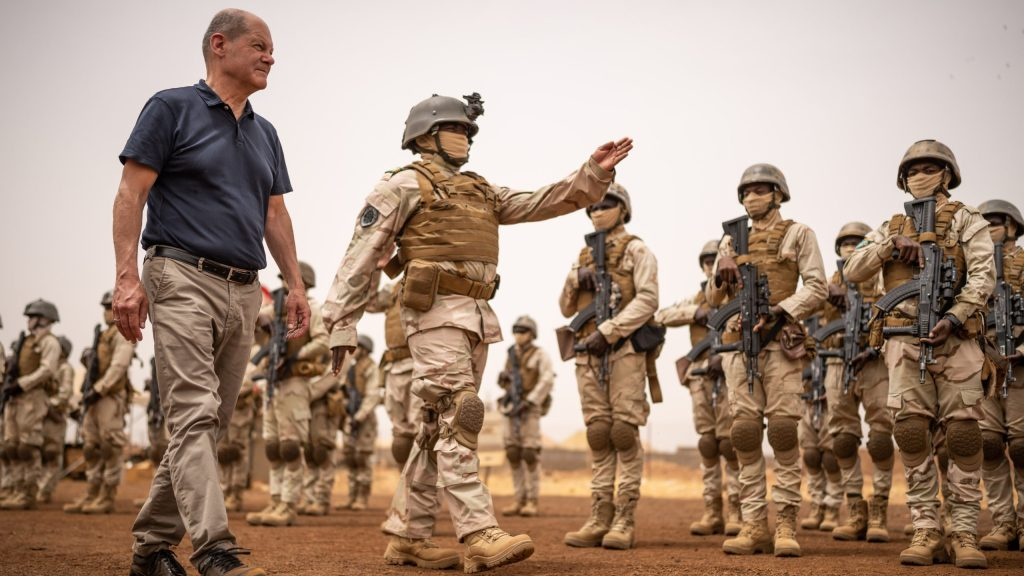
When Mali’s government saw Tuareg separatists and jihadists storming from the north toward the capital Bamako in 2012, it turned to France—a former colonial power—for help. Operation Serval stopped the advance and was later transformed into a regional counterterrorism operation, dubbed Barkhane. France was gradually joined by other European countries, and the Sahel region had come to host the largest deployment of European forces abroad—with around eight thousand troops.
The war in Ukraine has become a turning point for developing countries, many of whom could give up the gains made in economic growth and reduction in poverty over the past three decades.
A growing number of developing nations are vulnerable to political instability caused by debt crises, as is shown by Sri Lanka’s current plight. US and Western leadership in reforming the international financial system is needed to avoid the developing world becoming more dependent on China.
Much has been said about Ukraine’s lethal set of western-donated anti-armor and anti-tank weapons that have been helping them take out Russian tanks left and right since the start of the war. However, there is another anti-tank weapon that the Ukrainian forces have used to bust Russian tanks up to smithereens, the German DM22 PARM2 mine.
Amidst their own NATO membership application, Sweden has announced that they will be arming Ukraine once more with Robot 17 anti-ship missile systems in another move that is evidence of their shift from a neutral country to leaning more towards the West. More so, the Ukrainians will be obtaining more from Sweden as part of the country’s new $102 million military and economic support package.
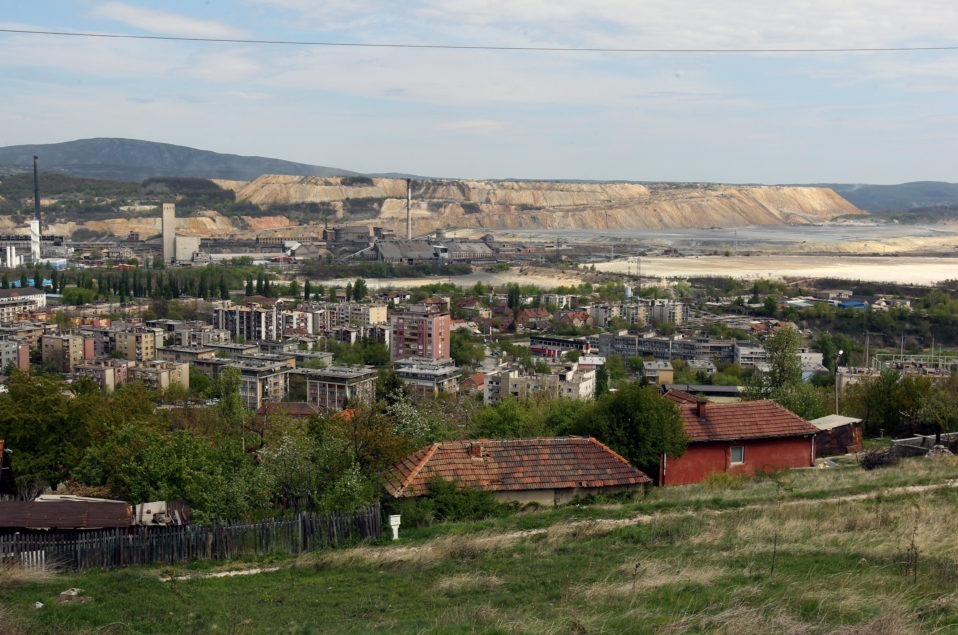
Ziđin već godinama pokušava da zemlju koja im je potrebna za širenje njihovih rudnika plati manje nego što je to procenila Poreska uprava. Novi korak u toj borbi su tužbe koje je ova kompanija podnela, otkriva CINS.
U selu Krivelj kod Bora, na mestu gde se nekada nalazila šuma Pere Stanimirovića, sada je rudnik Novo Cerovo kineske kompanije Ziđin (Serbia Zijin Copper). Njemu su oduzeli imanje u procesu eksproprijacije, a da on za to nije ni znao.
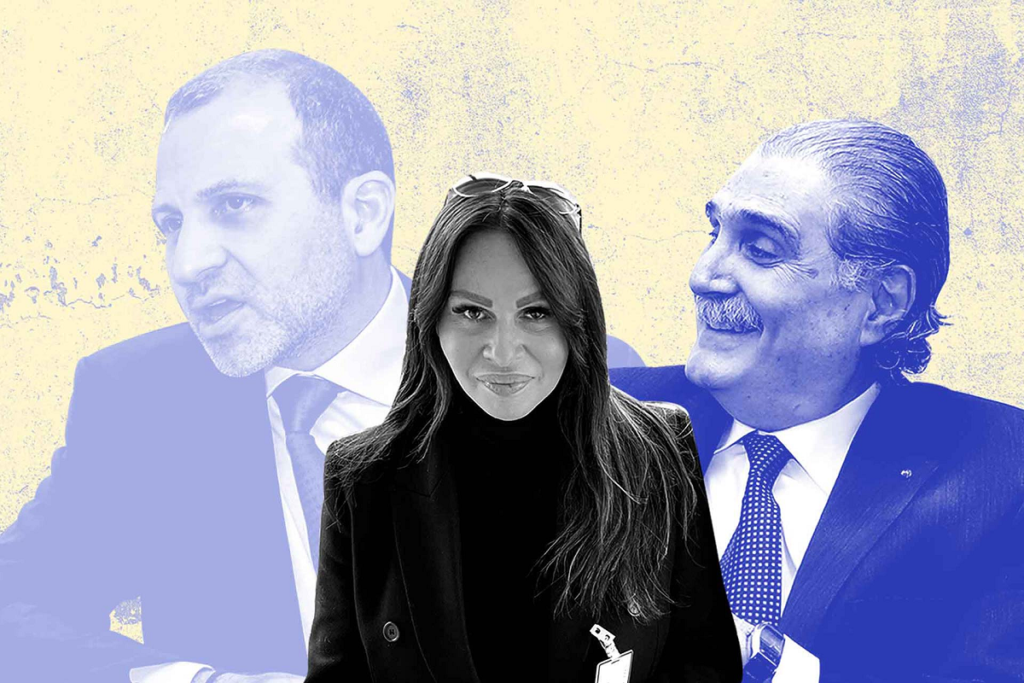
A U.S. court has asked Lebanon’s judiciary to serve legal papers against two top Lebanese politicians seeking to compel their response to accusations they orchestrated the kidnap and torture of a Lebanese-American couple.
Elie Samaha, a U.S.-Lebanese citizen, and his wife Lara Samaha, who holds a U.S. green card, are suing the Lebanese politicians and eight others, including three family members, judges and lawyers in connection with a family dispute over land and money they claim was stolen from them.

Henri De Croÿ was accused of masterminding a scheme that hid hundreds of millions from tax authorities on behalf of rich clients in Europe. Reporters found him in Cartagena, busy investing money in a series of luxury properties.
He once walked the halls of global financial institutions and hobnobbed with Europe’s elite, but today the Belgian prince and disgraced banker Henri de Croÿ has reinvented himself as an affable Colombian hotelier.
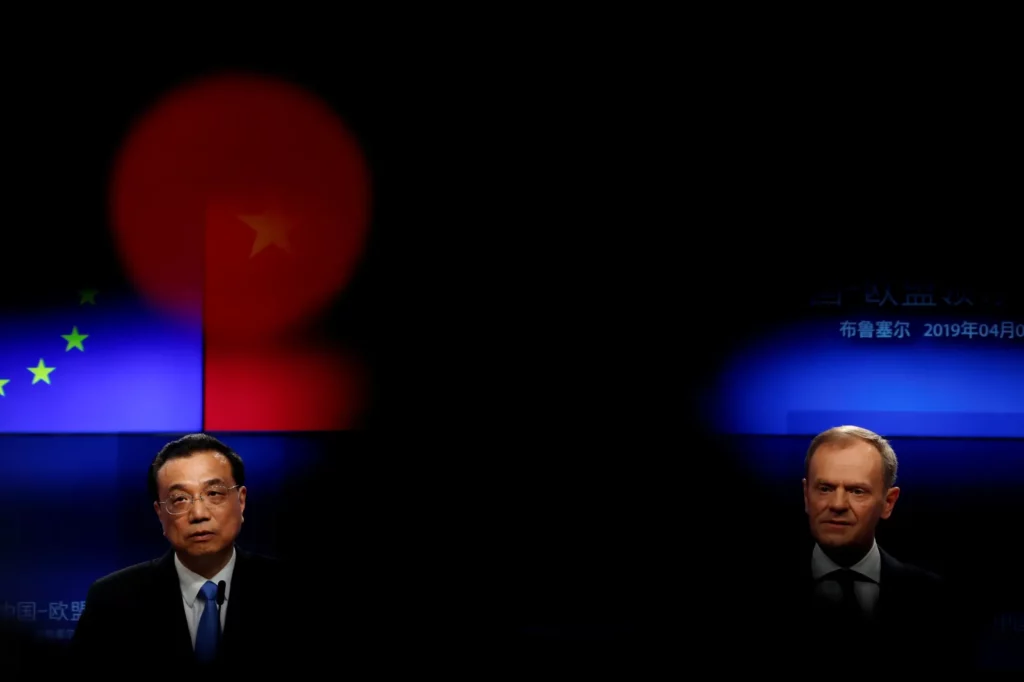
How Beijing’s Economic Missteps and Support for Russia Soured European Leaders
In April and May, as Russia’s war in Ukraine entered its third month, China sent a special envoy to meet with officials in eight central and eastern European countries. The timing was not coincidental: in the two months since Russia had launched its invasion, China’s standing in Europe had sunk to new lows.