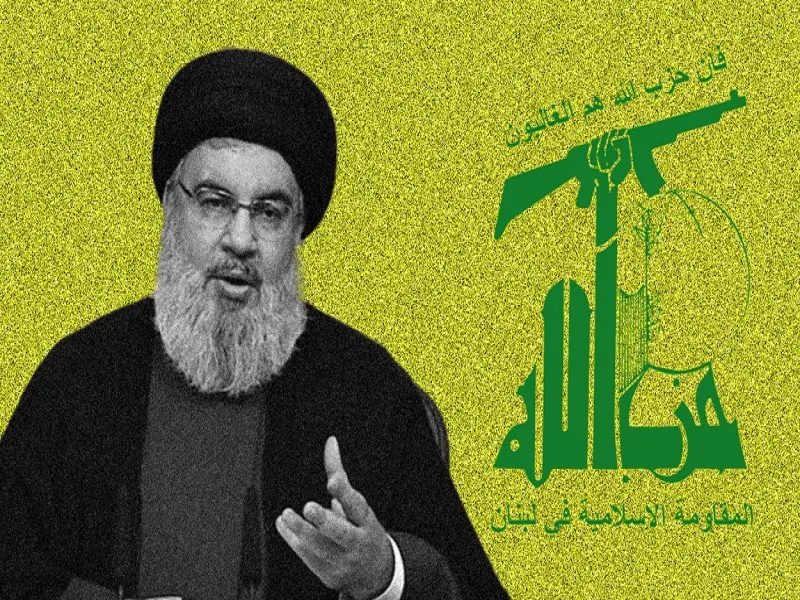
Some observers have been surprised by the self-restraint exercised by the Israeli-US duopoly and the Resistance Axis, which has averted an all-out regional war at least for now and thus contradicted their expectations of the other’s approach to this conflict. Neither side has proven themselves to be the “rabid psychotic warmongers” that their opponents’ public took for granted that they were, and this should prompt a rethinking from both about the true state of military-strategic affairs between them.
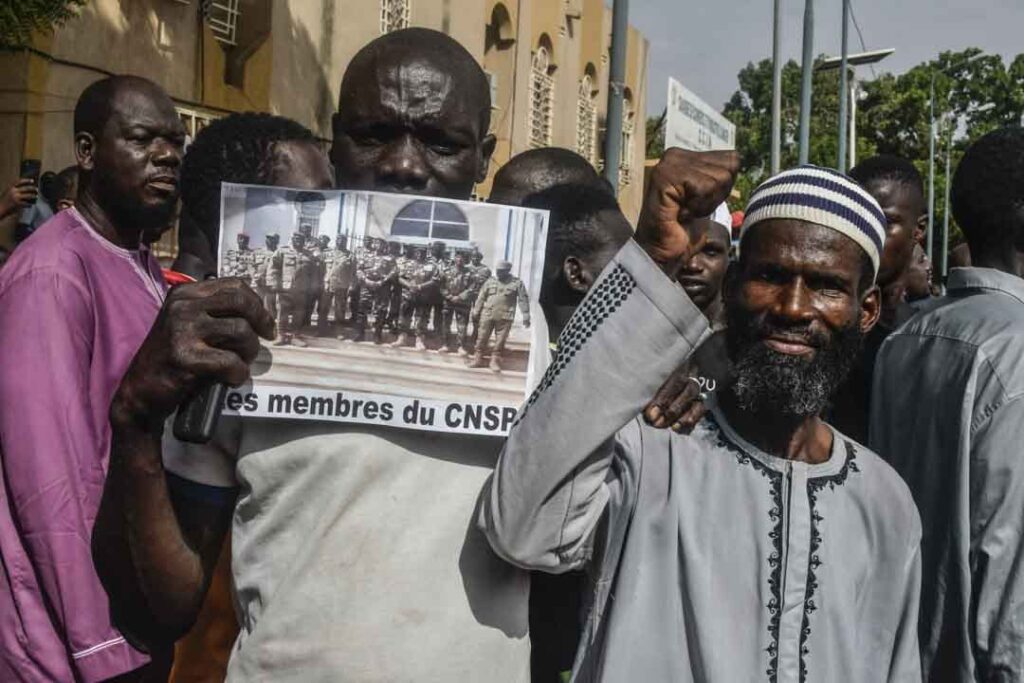
On 26 July, high-ranking Nigerien officers announced on national television that they had overthrown President Mohamed Bazoum, who was democratically elected in 2021. In this Q&A, Crisis Group analysts lay out the reasons for the coup as well as the stakes going forward.
What’s new? As jihadist groups in the Sahel move southward, Côte d’Ivoire has beefed up its security deployment in the north and rolled out a range of social projects to alleviate poverty and youth unemployment. Militant violence has subsided since a series of attacks in the north between 2020 and 2021.
Insurgents have established bases in an important nature reserve spanning parts of Benin, Burkina Faso and Niger. They pose a growing danger to local ecosystems and people living around the park. The three countries need to collaborate more closely to keep the threat at bay.
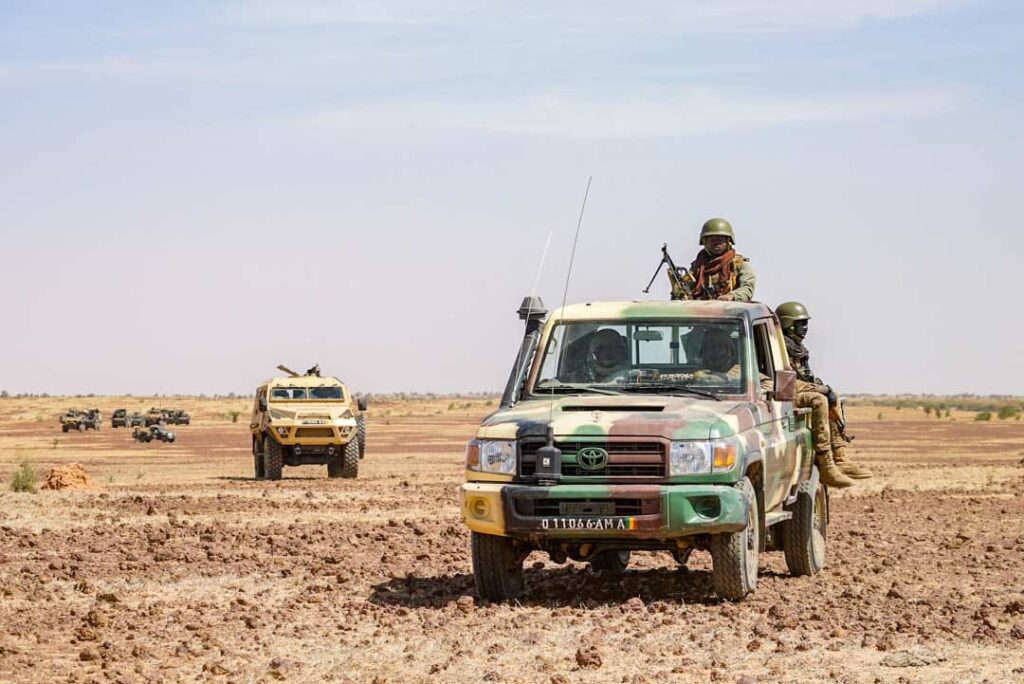
Au Mali, les combats ont repris entre l’armée appuyée par Wagner et une coalition de groupes armés signataires de l’accord de paix de 2015, mettant en péril le processus de paix. Ibrahim Maïga et Ibrahim Yahaya Ibrahim expliquent les raisons de ces affrontements et ce que les deux belligérants ont à y perdre.
Comment les combats se sont-ils intensifiés au nord du Mali ?
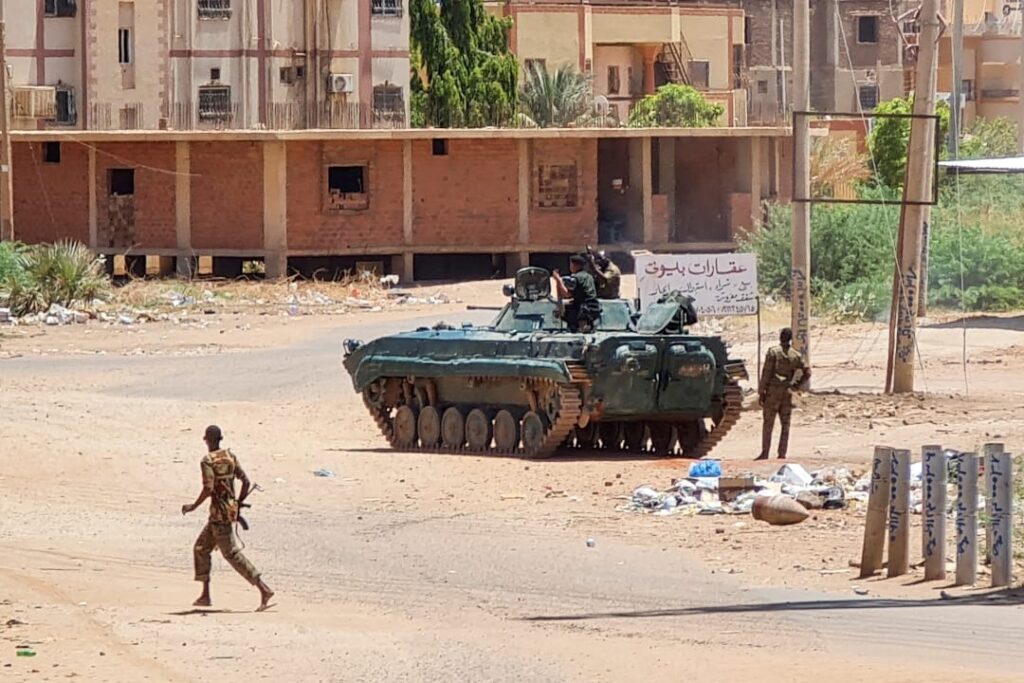
Amid shifting military dynamics, a narrow window for dialogue about stopping the fighting in Sudan may have opened. But diplomacy is in disarray. Outside actors should urgently coordinate efforts to steer the belligerents toward a negotiated end to hostilities.
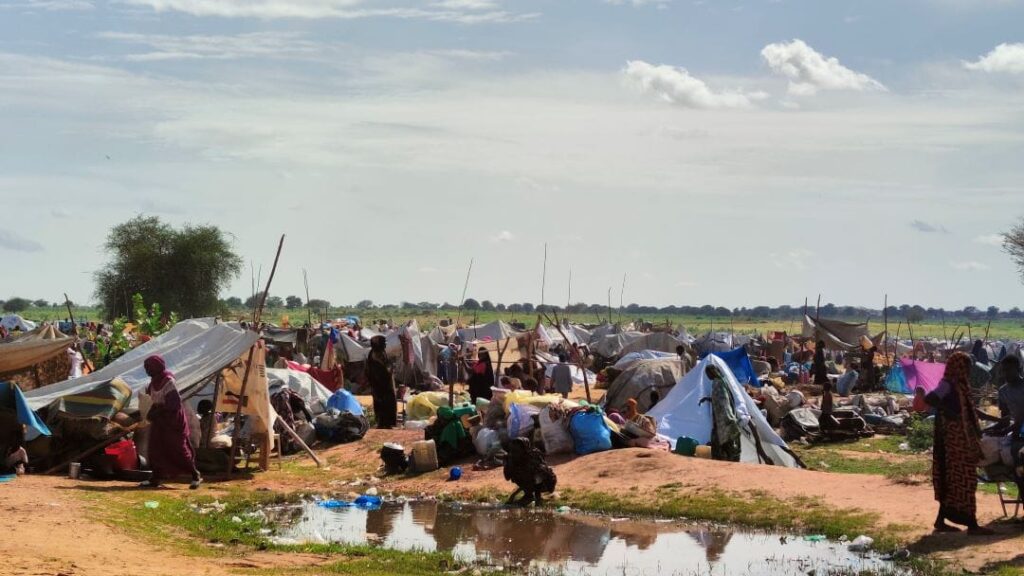
Chad was facing a turbulent time even before April, when fighting broke out in Sudan’s Darfur region on its eastern border, and things have only got worse since then. President Mahamat Déby Itno, who took over on an ostensibly interim basis after his father unexpectedly died in 2021, appears set on staying in power. Discontent with his regime is growing, despite efforts led by the Economic Community of the Central African States (ECCAS) to facilitate an agreement among key political parties on how to handle the transition after, in October 2022, a police crackdown killed more than 200 demonstrators. The repression has weakened the political opposition and civil society, prompting several leaders to leave the country. Key Chadian rebel groups remain excluded from the transition, while others are dissatisfied with the government’s disarmament and reintegration program, which is supposed to be their bridge back to civilian life. Since May, the military has clashed with armed groups in the northern Tibesti region and in the north of the neighbouring Central Africa Republic (CAR), near Chad’s southern border, while the late July coup in Niger threatens to unsettle the western frontier.
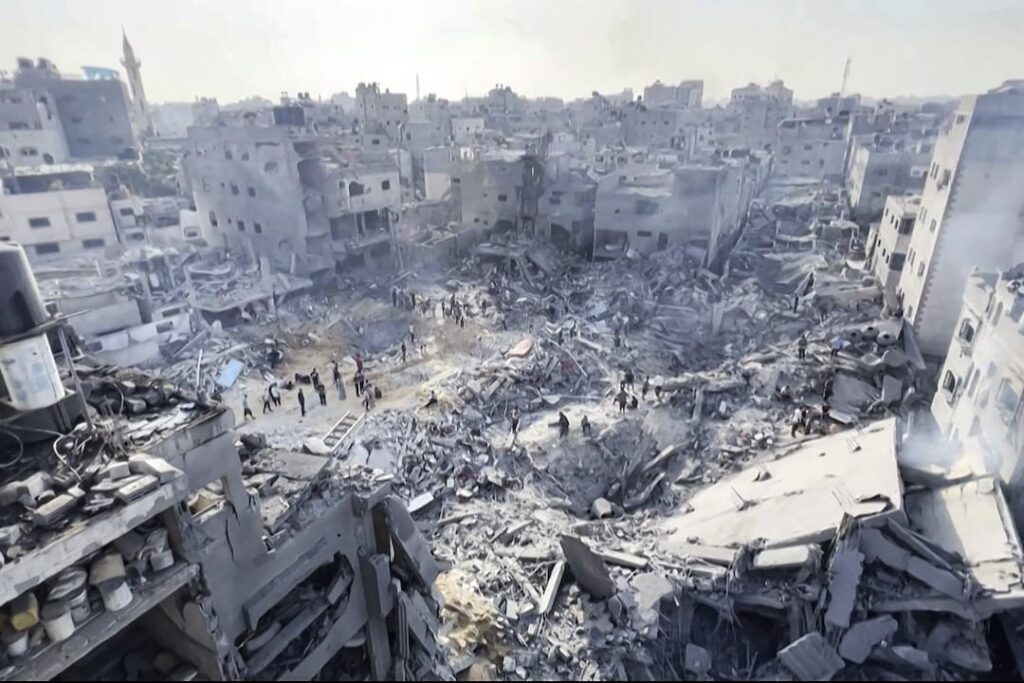
As war rages in Gaza, the Israeli-Palestinian conflict continues to escalate, causing grievous harm to civilians and threatening stability across the Middle East. Crisis Group experts offer a 360-degree view of how various capitals in the region view this crisis and their own interests therein.
Mansour Al-Mutlaq with Jassim Bin Hamad, the brother of Qatari Emir Tamim Bin Hamad Aal Thani, who serves as the Emir’s personal representative.[3]
In an October 20, 2023 article in the Qatari daily Al-Arab, journalist Mansour Al-Mutlaq wrote that “what is happening in Palestine” (i.e., Hamas’ October 7, 2023 large-scale terrorist attack on Israel and the war that broke out in its wake) is the fulfillment of Allah’s words in Surah 17 of the Quran. Some Muslims interpret certain verses in this surah as conveying a divine promise regarding Palestine: the Jews will come from all over the world to settle in Palestine, and will sow corruption there and gain power, but will ultimately be defeated by the servants of Allah who will humiliate them and recapture the Al-Aqsa mosque. Based on this interpretation, Hamas officials have envisioned a war against Israel called “the Promise of the Hereafter,” involving the Palestinians and other Arab countries and organizations, who will together eliminate Israel. [1] Al-Mutlaq expresses hope that Allah’s promise for the defeat of the Jews in Palestine will come to pass in the near future.
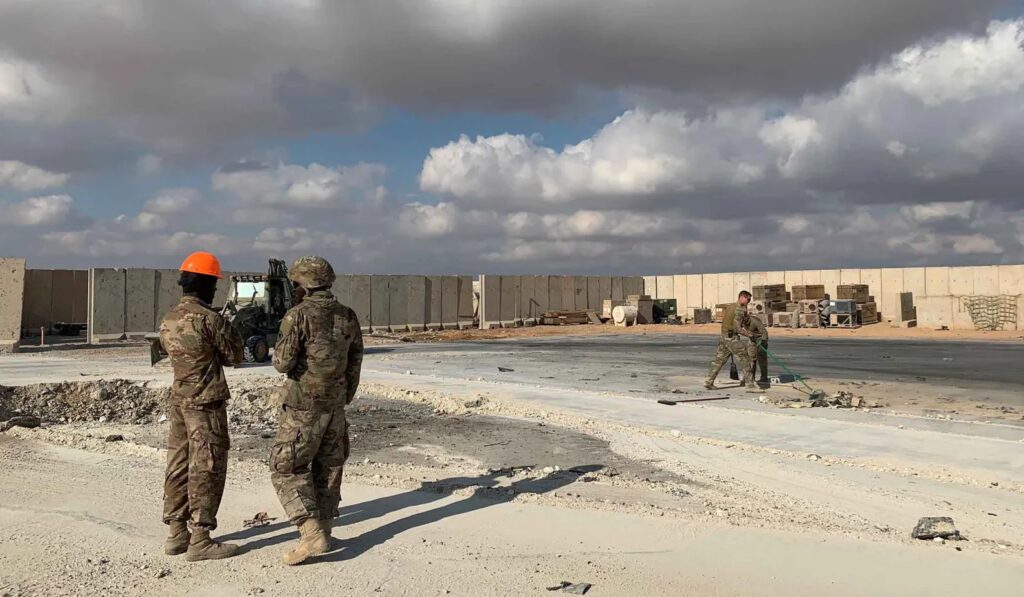
At least 45 Americans claim to have been injured in recent attacks in Iraq and Syria, more than twice as many as the Pentagon previously disclosed, according to a new report.
The Pentagon initially claimed that 21 service members suffered traumatic brain injuries as a result of two drone attacks by the Iranian-backed Houthi militia, but an additional 24 troops have since reported such injuries, NBC reported Monday, bringing the total number of injured troops to 45. That number may rise as more troops come forward.