Pakistan’s Reportedly Planned Arms Deal With Sudan Presages Problems For The UAE In Africa

Pakistan is functioning as the force multiplier in the Saudi-Turkish-Egyptian proxy campaign against the UAE in Africa that it’s finally participating in after sitting on the sidelines for so long.

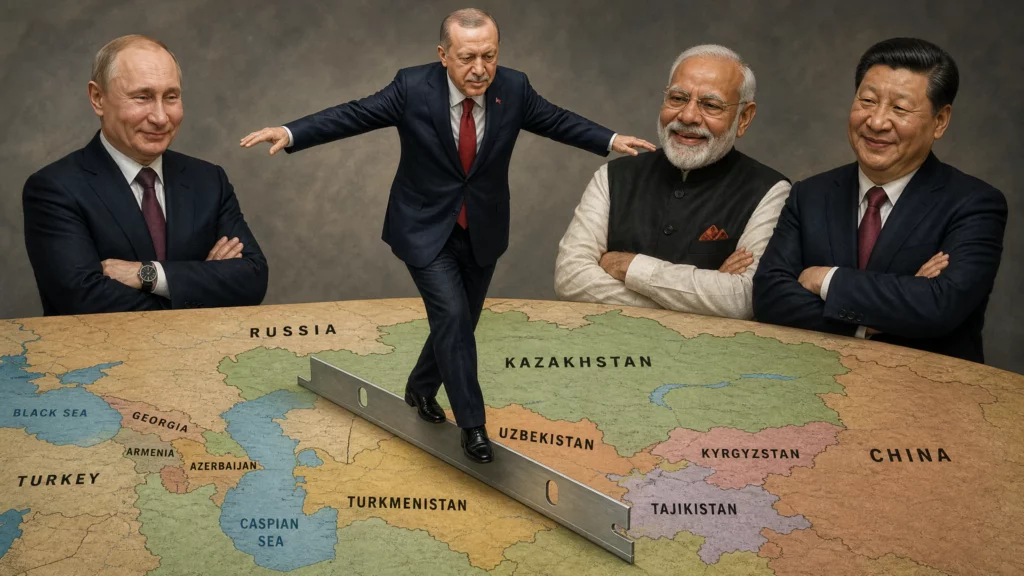
Reuters recently reported that “Pakistan nears $1.5 billion deal to supply weapons, jets to Sudan”, which follows last month’s report from them that “Pakistan strikes $4 billion deal to sell weapons to Libyan force, officials say”. It was assessed after the last-mentioned report that “Pakistan Is Playing Second Fiddle To Turkiye In Afro-Eurasian Security” since there’s now a pattern of it clinching security deals with third countries like Azerbaijan, Somalia, and then Libya sometime after its Turkish strategic partner does.

Islamic Nato in making? How Turkish arms, Saudi cash and Pakistan nukes could align — all about the defence pact

Islamic Nato in the making? Turkey is seeking to join a defence alliance between nuclear-armed Pakistan and Saudi Arabia, this can be seen as an effort in direction to reshape security alignments in the Middle East region and beyond, as Bloomberg reported.The pact, initially signed by Pakistan and Saudi Arabia in September, reportedly states that “any aggression” against one member would be treated as an attack on all — a provision that mirrors Article 5 of Nato, of which Turkey is a member and fields the second-largest military after the US.

The Great Betrayal: The Colonisation of Bharat by India

It is a long, tongue-twister of a name for a government scheme – ‘Viksit Bharat—Guarantee for Rozgar and Ajeevika Mission (Gramin)’. It is even more torturous to read if you are not a Hindi speaker.

This is the name of the new scheme, which will replace the two decade old Mahatma Gandhi National Rural Employment Guarantee Act or MNREGA. Claimed to be an improvement over its predecessor, it is in fact a calculated dilution of the most critical lifeline for India’s rural poor

Exclusive: Who is Mullah Shirin, the Taliban governor of Kandahar?

Mullah Shirin, the Taliban governor of Kandahar, has become one of the most powerful figures within the Taliban, wielding influence that in some cases surpasses the authority of their chief minister, multiple sources told Amu TV.

Six sources familiar with the matter said Shirin plays a central role in major decisions, often recommending ministerial appointments before they are formally considered by the Taliban chief minister Hassan Akhund’s office. They added that he manages much of the day-to-day affairs of Taliban leader Hibatullah Akhundzada’s office, making him the closest aide to the reclusive supreme leader.

Haqqani met Akhundzada in Kandahar after criticism: Sources

Taliban Interior Minister Sirajuddin Haqqani met Taliban leader Hibatullah Akhundzada during a visit to the southern city of Kandahar, sources familiar with the matter told Amu TV.

Details of the meeting have not been made public, but the visit came days after Haqqani sharply criticised the Taliban’s style of governance in a speech in the eastern province of Khost on December 12.

China is overplaying its hand on rare earth materials

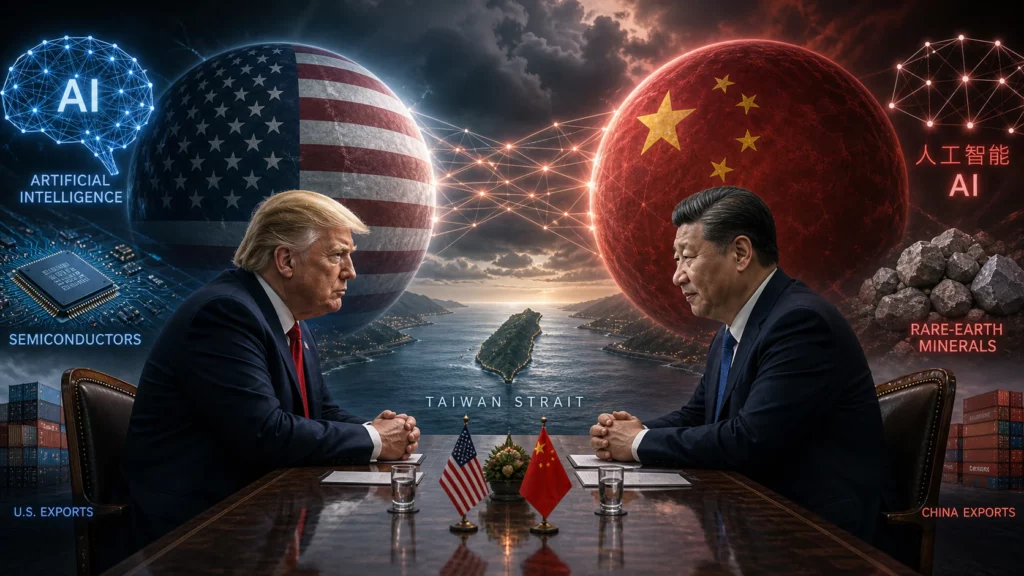
When President Trump travels to Beijing early next year to finalize a new trade deal, China will deploy one of its favorite pressure tactics: restricting exports of rare earth elements.

Last month, The New York Times’s Thomas Friedman warned that China’s threat to cut off rare earth exports could “trump Trump’s tariffs tenfold.” He’s right that Beijing sees these minerals as strategic leverage, but the real story is more complicated. The market is small, innovation is closing the gap, and allied countries are building alternative supply chains faster than many realize.

The State of al Qaeda and ISIS in 2025

The Salafi-jihadi threat persists across Africa, the Middle East, and into Asia. Al Qaeda– and Islamic State–affiliated groups are engaged in local conflicts and have sought ways to strengthen on the ground within popular insurgencies. Their focus on expanding in the Muslim world has not replaced aspirations to strike the West, however. Those groups that once demonstrated or sought to develop transnational attack capabilities still seek to target the United States and Europe, creating an ongoing requirement for counterterrorism activities.

Pakistan army cautiously rejects strikes in Afghanistan

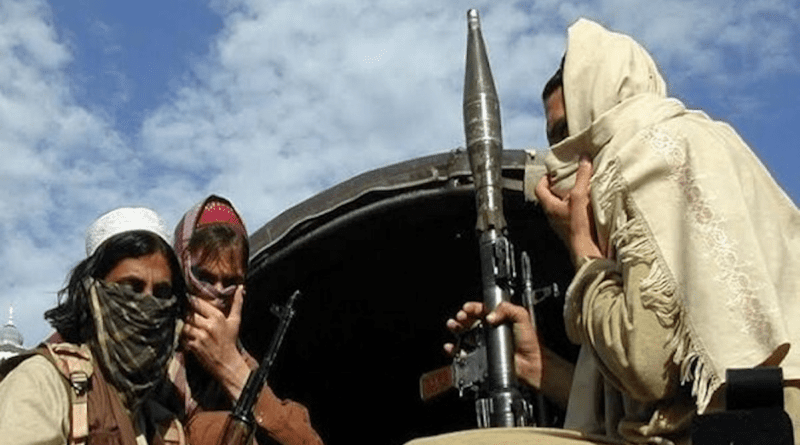
Pakistan’s military on Tuesday issued a cautious response to Taliban accusations of deadly airstrikes in eastern Afghanistan, saying it does not conduct undeclared military operations and “never targets civilians”.

Taliban spokesman Zabihullah Mujahid said in a statement that Pakistani strikes hit parts of Khost, Paktika and Kunar provinces overnight, killing at least 10 civilians. Mujahid described the attacks as “violations and crimes” and said Afghanistan would issue a “timely” response.