Eruption of Iran Unrest Scrambles U.S. and Regional Calculations

More than a week of protests in Iran reflects not only worsening economic conditions, but longstanding anger at government repression and regime policies that have led to Iran’s global isolation.
Regime security forces have thus far failed to quell the unrest with limited use of violence, but leaders have signaled they will again use massive armed force if necessary against protesters.
Regional leaders assess that a collapse of the regime, although unlikely, would usher in a long period of instability in Iran, but also lessen the threat posed by Tehran to other regional and global actors.
President Trump has threatened to intervene directly to support the protests, an unprecedented U.S. stance which might embolden demonstrators or, alternatively, discredit them as U.S. puppets.

Expert turc: Intervenția străină asupra regimului de la Teheran ar putea arunca întreaga regiune în haos. „Iranul nu este Siria”

Intervenția străină în Iran, care are o populație de 90 de milioane de locuitori, ar putea duce la destabilizarea și haosul în regiune.

Această opinie a fost exprimată într-un comentariu pentru Ukrinform de către cunoscutul expert turc în afaceri internaționale și jurnalist Güngör Yavuzaslan, scrie Ukrinform.

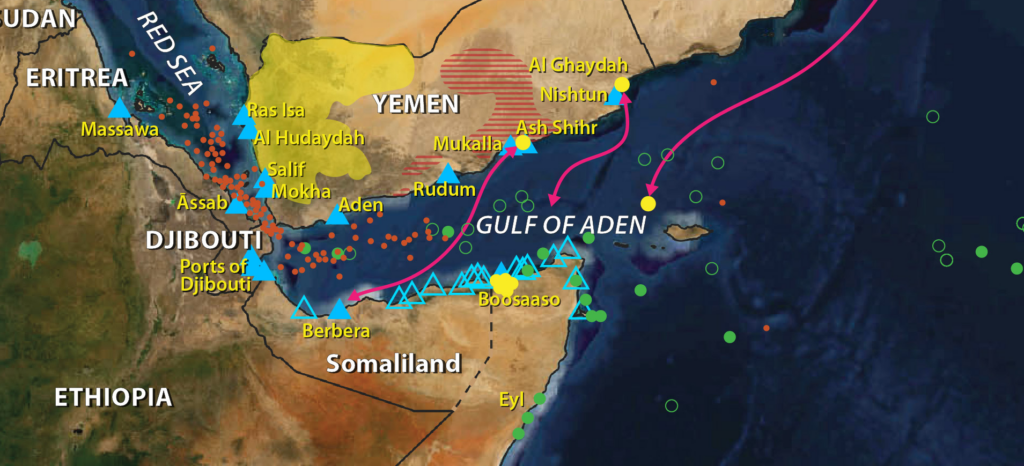
Le renforcement des liens entre Al Shabaab et les Houthis aggrave les menaces pesant sur la sécurité dans la région de la mer Rouge

La multiplication des liens entre Al Shabaab et les Houthis favorise les deux groupes militants et contribue à accroître les menaces maritimes et terrestres de part et d’autre du golfe d’Aden.

Les preuves d’une collaboration croissante entre Al Shabaab en Somalie et les Houthis du Yémen augmentent les risques pour le trafic maritime dans la mer Rouge, le golfe d’Aden et l’océan Indien occidental, tout en renforçant la capacité de nuisance des deux groupes.

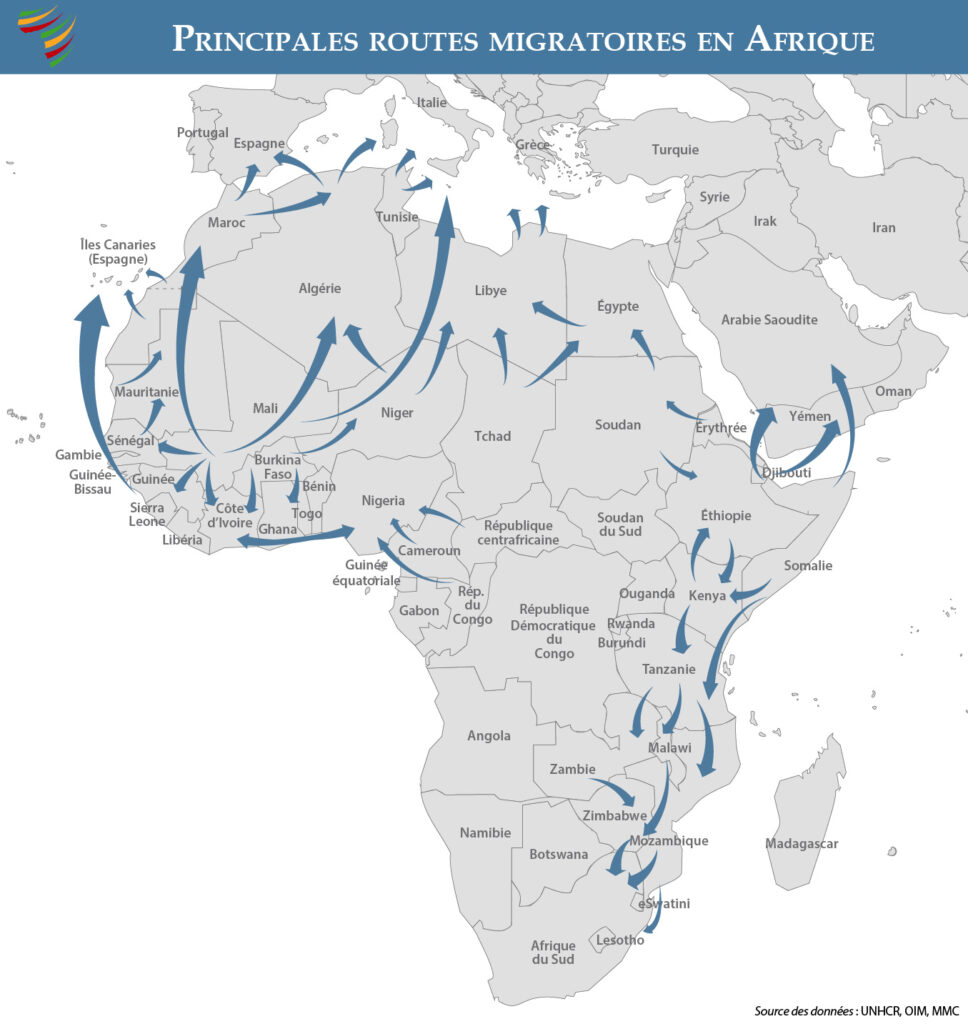
Tendances migratoires à surveiller en Afrique en 2025

La forte restriction des migrations irrégulières hors du continent, combinée à l’escalade des facteurs d’incitation, continuera à façonner les priorités en matière de gouvernance et de sécurité en Afrique et soulignera la nécessité d’une plus grande innovation régionale pour faire face aux mouvements de population intracontinentaux.

Ten security trends in Africa in 2025 in charts

Africa’s complex security landscape has been shaken by the combined effects of the growing regionalization of conflicts, offensives by militant Islamist groups, military coups and rivalries between outside actors.

A return to images in the year 2025 reveals an African security landscape reshaped by increasing external interventions, armies emboldened to seize power and consolidate it, and the proliferation of drones that extends the reach and lethality of armed fighters. The convergence of urbanization, demographic pressure and the increasing regionalization of conflicts is straining Africa’s already fragile security environment. Despite these challenges, many African countries have made significant progress over the past year in the development of their communication, road, rail and space infrastructure to increase economic productivity and opportunities for the continent’s 1.5 billion citizens, mostly young.

A Report on the Twelfth Day of Nationwide Protests in Iran: Widespread Strikes, Internet Shutdown, and Surge in Arrests

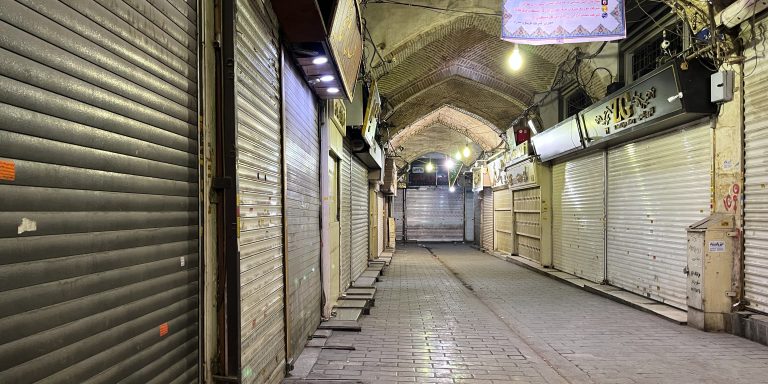
HRANA – Nationwide protests in Iran continued on their twelfth day, Thursday, January 8, 2026, according to reports collected by HRANA. Demonstrations and protest actions were recorded in at least 46 cities across 21 provinces. At the same time, a wave of strikes and market closures was reported, particularly in Kurdish regions, with dozens of cities in Kurdistan, West Azerbaijan, Kermanshah, and Ilam provinces joining the strikes.

The Islamic Republic’s Power Centers

Who calls the shots in Iran on economic policy, security, and domestic calls for reform? A look at the government’s organization chart indicates how complicated the answer is.

Iran’s system of government is not quite a democracy, nor a theocracy. Founding Supreme Leader Ruhollah Khomeini developed its animating doctrine, known as guardianship of the jurist, in the years before the Islamic Republic’s establishment in 1979. Khomeini posited that a just government was possible if religious scholars sat atop it to ensure consistency with Islamic law. This system was put into place with a constitutional referendum after the 1979 Islamic Revolution. The organs of a modern republic—a unicameral legislature (the majlis), executive led by the president, and judiciary—were enveloped by a clerical system. (Most of Iran’s clerical hierarchy, however, remains outside this official structure, based in Qom rather than the capital, Tehran.)

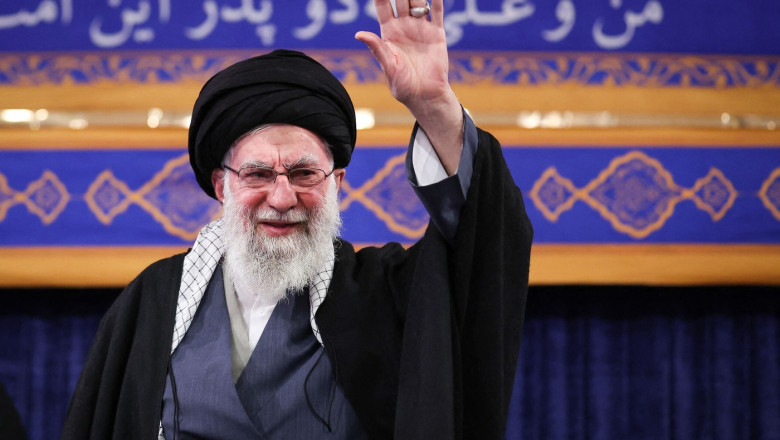
Iran supreme leader signals upcoming crackdown on protesters ‘ruining their own streets’ for Trump

Protests in Iran raged Friday night in the Islamic Republic, online videos purported to show, despite a threat from the country’s theocracy to crack down on demonstrators after shutting down the internet and cutting telephone lines off to the world.

At least 65 people have been killed in the protests that began in late December over Iran’s ailing economy and have morphed into the most significant challenge to the government in years.